The Chosen Bible Study Guide: A Comprehensive Plan
This guide leverages resources like SSNet.org’s 2024 Q4 Gospel of John studies, alongside explorations of “The Chosen” series.
It aims to deepen understanding through episode-specific discussions and theological analysis,
supplemented by commentaries and addressing critical perspectives.
Utilizing diverse materials – including visual aids from sites like cartridgemaniakenya.com and mungfali.com –
this plan fosters a richer, more engaging faith-based learning experience.

“The Chosen” is a groundbreaking historical drama television series, presenting the life of Jesus Christ and his disciples in a uniquely relatable and human light. Unlike traditional biblical portrayals, it embraces a narrative approach that prioritizes character development and explores the complexities of faith, doubt, and relationships within the first-century Galilean context.
The series, created by Dallas Jenkins, distinguishes itself through its commitment to historical accuracy, while simultaneously employing creative license to fill in the gaps left by the Gospel accounts. This approach aims to make the biblical story more accessible and emotionally resonant for modern audiences. It’s not a direct retelling of scripture, but rather a thoughtful interpretation designed to spark conversation and deeper engagement with the Gospels.
“The Chosen” has garnered significant attention for its high production value, compelling performances, and its ability to connect with viewers across diverse backgrounds. Its popularity has extended beyond traditional Christian circles, attracting a broad audience interested in exploring the historical and spiritual foundations of Christianity. This study guide will utilize the series as a springboard for exploring the biblical narratives and theological themes it presents, encouraging a more profound understanding of the life and teachings of Jesus.
Resources like SSNet.org, with their focus on Gospel studies, will be integrated to provide a solid biblical foundation alongside the series’ dramatic presentation.
Historical and Cultural Context of the Show
“The Chosen” meticulously attempts to recreate the 1st-century Galilean world, moving beyond stereotypical depictions often found in biblical dramas. Understanding this context is crucial for appreciating the series’ nuances. The show portrays a society deeply influenced by Roman occupation, complex social hierarchies, and prevalent religious expectations.
Daily life for Galileans was characterized by agricultural labor, close-knit communities, and adherence to Jewish law and customs. The political landscape was fraught with tension, as Jewish people navigated Roman rule and various internal factions, including the Zealots and Pharisees. The series reflects these realities, showcasing the economic hardships, political unrest, and religious debates of the time.
Furthermore, the show’s creators consulted with historical experts to ensure accuracy in details such as clothing, architecture, and social practices. This commitment to authenticity enhances the viewer’s immersion and provides a richer understanding of the environment in which Jesus and his disciples lived and ministered. Resources like scholarly articles (potentially found through links similar to those on mungfali.com regarding Bible study) can further illuminate this historical backdrop.
Acknowledging this context allows us to move beyond a purely modern interpretation of the Gospels and appreciate the radical nature of Jesus’ message within its original setting.
Theological Themes in “The Chosen”
“The Chosen” explores profound theological themes central to the Christian faith, prompting viewers to reconsider familiar narratives. A prominent theme is the accessibility of grace – portraying Jesus’ ministry as reaching beyond societal boundaries to include the marginalized and outcast. This challenges conventional notions of religious purity and emphasizes God’s universal love.
The series also delves into the nature of discipleship, showcasing the struggles, doubts, and imperfections of Jesus’ followers. It highlights that faith isn’t about instant perfection but a journey of growth and transformation. The portrayal of Jesus’ humanity, alongside his divinity, is another key theme, emphasizing his relatable nature and genuine empathy.
Furthermore, the show subtly addresses the concept of Messianic expectation, contrasting popular assumptions with Jesus’ unconventional approach to fulfilling prophecy. Exploring resources like SSNet.org’s Gospel of John studies can provide deeper insight into these theological underpinnings. The series encourages viewers to grapple with complex questions about faith, identity, and the meaning of salvation, fostering a more personal and nuanced understanding of the Gospel message.
Ultimately, “The Chosen” invites a re-examination of core Christian beliefs through a compelling and emotionally resonant narrative.
Analyzing Key Characters: Jesus
“The Chosen” presents a uniquely human portrayal of Jesus, moving beyond traditional depictions. He’s not simply a divine figure performing miracles, but a man grappling with emotions, relationships, and the weight of his destiny. This Jesus is deeply empathetic, observant, and possesses a subtle sense of humor, making him incredibly relatable.
The series emphasizes Jesus’ intentionality in choosing his disciples – not the most pious or powerful, but ordinary individuals with flaws and vulnerabilities. This highlights the theme of grace and God’s preference for the humble. His interactions are characterized by genuine connection and a desire to understand those around him.
Analyzing Jesus’ character requires considering his awareness of his divine purpose alongside his experience of human limitations. He demonstrates patience, compassion, and a willingness to challenge societal norms. Resources exploring the Gospel of John, like those found on SSNet.org, can enrich our understanding of his motivations and actions.
Ultimately, “The Chosen” invites viewers to encounter Jesus not as a distant deity, but as a profoundly human and deeply loving friend.
Analyzing Key Characters: Mary Magdalene
“The Chosen” offers a compelling reimagining of Mary Magdalene, moving beyond the traditional portrayal of a repentant sinner. The series depicts her as a highly intelligent, resourceful, and deeply wounded woman seeking healing and purpose. She’s presented as a leader in her own right, possessing a keen understanding of people and a strong will.
The show explores the trauma Mary experienced, suggesting demonic oppression as a root cause of her struggles. Her journey of liberation through encountering Jesus is portrayed as a powerful testament to his healing power and restorative grace. This nuanced depiction challenges conventional interpretations and invites empathy.
Analyzing Mary’s character involves recognizing her agency and her evolving role within Jesus’ inner circle. She’s not merely a follower, but an active participant in his ministry, offering valuable insights and support. Studying the Gospel of John, as resources on SSNet.org provide, can illuminate the historical context of her story.
“The Chosen” presents Mary Magdalene as a complex and inspiring figure, demonstrating the transformative power of faith and the importance of recognizing the dignity of all individuals.
Analyzing Key Characters: Peter, James, and John
“The Chosen” intricately portrays Peter, James, and John, moving beyond simplistic archetypes to reveal their individual complexities and evolving relationships with Jesus. Peter is depicted as impulsive, passionate, and often flawed, yet fiercely loyal. The series highlights his struggles with self-doubt and his eventual growth into a leader.
James and John, sons of Zebedee, are presented as more reserved and contemplative, grappling with ambition and their desire for positions of power within Jesus’ kingdom. Their internal conflicts and familial dynamics add depth to their characters. The show explores their initial hesitation and eventual commitment to following Jesus.
Analyzing these three disciples requires understanding their distinct personalities and how they complement each other. Their interactions reveal the dynamics of teamwork, conflict resolution, and the challenges of discipleship. Resources like those found on SSNet.org, focusing on Gospel narratives, can provide valuable context.
“The Chosen” humanizes these foundational figures, making their journeys relatable and inspiring, and prompting viewers to reflect on their own faith and calling.

The Portrayal of Miracles in the Series
“The Chosen” presents miracles not as sensational displays of power, but as deeply human moments of compassion and divine intervention. The series emphasizes the emotional and social impact of these events on both those healed and the witnesses. Unlike some dramatizations, the focus isn’t solely on the spectacle, but on the why behind the miracle.
The show often depicts the vulnerability and struggles of those seeking healing, highlighting their faith (or lack thereof) and the transformative power of Jesus’ touch. This approach encourages viewers to consider the broader theological implications of miracles – God’s love, mercy, and desire for wholeness.
Analyzing the portrayal of miracles alongside biblical accounts, such as those explored in SSNet.org’s Gospel of John studies, reveals both faithfulness to scripture and creative interpretation. The series doesn’t shy away from the messy realities surrounding miraculous events.
This nuanced approach invites deeper reflection on the nature of faith, healing, and the presence of the divine in everyday life, enriching the overall viewing experience;
“The Chosen” and Traditional Gospel Narratives
“The Chosen” doesn’t present a strictly linear retelling of the Gospels, instead weaving together events and characters from Matthew, Mark, Luke, and John. This creative license allows for a more holistic and character-driven narrative, filling in gaps and exploring motivations not explicitly stated in scripture.
Comparing the series to traditional Gospel accounts, particularly those studied through resources like SSNet.org’s Gospel of John guides, reveals both similarities and divergences. The show often expands upon existing stories, adding dialogue and backstory to enhance emotional resonance.
While some purists critique these additions, proponents argue they offer a plausible and engaging interpretation of the biblical text. The series aims to spark conversation and encourage viewers to revisit the Gospels with fresh eyes.
It’s crucial to remember that “The Chosen” is an interpretation, not a definitive historical reconstruction. Utilizing biblical commentaries alongside the series fosters a more informed and nuanced understanding of the Gospels.
Comparing “The Chosen” to Other Biblical Dramatizations
“The Chosen” distinguishes itself from previous biblical dramatizations through its contemporary feel and emphasis on character development. Unlike many earlier productions, which often focused on spectacle or a specific theological agenda, this series prioritizes relatable human stories.
Previous films and miniseries, while visually impressive, sometimes presented characters as distant or idealized figures. “The Chosen” portrays biblical figures with flaws, doubts, and complex emotions, making them more accessible to modern audiences.
The series’ multi-season format allows for a depth of storytelling rarely seen in other biblical adaptations. This extended narrative arc enables viewers to form deeper connections with the characters and their journeys.
Resources like online discussions (reflected in sites like dishcuss.com with its Nintendo Switch concept posts – demonstrating online engagement with visual media) highlight the show’s impact. It sparks conversations about faith and interpretation in ways previous dramatizations haven’t consistently achieved.

Ultimately, “The Chosen” offers a unique blend of historical context, theological reflection, and compelling storytelling, setting it apart in the landscape of biblical film and television.
The Use of Storytelling Techniques in “The Chosen”
“The Chosen” masterfully employs several storytelling techniques to engage viewers and deepen their understanding of the biblical narrative. A key element is its non-linear approach, interweaving storylines and flashbacks to create a richer, more complex tapestry.

The series utilizes dramatic irony, allowing the audience to possess knowledge that characters do not, building suspense and emotional resonance. This technique encourages viewers to actively participate in the narrative, anticipating outcomes and empathizing with characters’ struggles.
Character-driven narratives are central to the show’s success. By focusing on the internal lives and relationships of biblical figures, “The Chosen” humanizes them, making their stories more relatable and impactful.
The show’s visual style, while grounded in realism, incorporates subtle cinematic techniques – reminiscent of imagery found on sites like ssnet.org and mungfali.com – to enhance emotional impact and thematic resonance.
Furthermore, the use of dialogue is particularly effective, blending biblical language with contemporary vernacular to create a sense of authenticity and accessibility. These techniques collectively contribute to the series’ compelling and immersive storytelling experience.
Impact of “The Chosen” on Viewers’ Faith
“The Chosen” has demonstrably impacted viewers’ faith journeys, fostering a renewed engagement with scripture and a deeper connection to biblical characters. Many report a heightened sense of empathy for figures often perceived as distant or archetypal.
The series’ humanizing portrayal of Jesus and his disciples encourages viewers to see themselves reflected in these stories, prompting personal reflection and spiritual growth. This resonates with the thematic explorations found in resources like SSNet.org’s Gospel of John studies, emphasizing relationship and revelation.
Numerous testimonies highlight how the show has sparked conversations about faith within families and small groups, creating opportunities for shared learning and discipleship. The accessibility of the narrative breaks down barriers for those unfamiliar with biblical texts.
While not a replacement for traditional study, “The Chosen” serves as a powerful entry point, inspiring viewers to delve deeper into scripture and explore resources like commentaries and articles. The visual storytelling, akin to imagery from mungfali.com, aids comprehension.
Ultimately, the series’ impact lies in its ability to make faith feel personal, relevant, and emotionally resonant, prompting a renewed commitment to spiritual exploration.
Utilizing “The Chosen” in Small Group Bible Studies
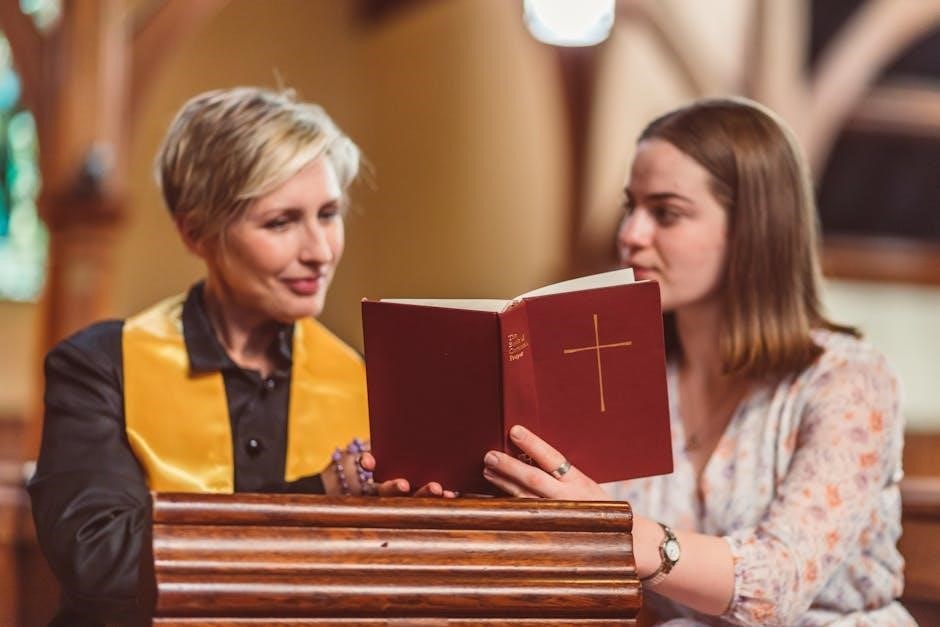
“The Chosen” lends itself exceptionally well to small group Bible studies, providing a shared cultural touchpoint for deeper scriptural exploration. Each episode can serve as a springboard for discussing the corresponding biblical passages, fostering engaging conversations.
Begin by watching an episode together, then dedicate time to analyzing its portrayal of events and characters in light of the Gospel accounts. Resources like SSNet.org’s study guides on the Gospel of John can provide valuable theological context and discussion prompts.
Encourage participants to identify moments where the series aligns with or diverges from traditional interpretations, prompting critical thinking and respectful debate. Utilize visual aids – perhaps images sourced from sites like cartridgemaniakenya.com – to illustrate key themes.
Structure discussions around specific questions: How does the series portray Jesus’s humanity? What insights does it offer into the disciples’ struggles? How does it challenge our preconceived notions?
Supplement the viewing with individual study, encouraging participants to read the relevant biblical passages and explore commentaries. This blended approach maximizes the impact of “The Chosen” as a catalyst for spiritual growth.
Discussion Questions for Each Episode

For Episode 1: How did the series’ portrayal of Jesus’s early life and occupation shape your understanding of his humanity? What emotions did you experience watching the depiction of Mary Magdalene’s story?
Episode 2: How does the series address the complexities of faith and doubt in Nicodemus’s encounter with Jesus? What does this episode reveal about the initial reactions to Jesus’s ministry?
Episode 3: Discuss the challenges faced by Simon Peter as depicted in the series. How does this portrayal resonate with the biblical account? What does this reveal about leadership?
Episode 4: How does the series portray the societal context of Jesus’s time, particularly regarding women and the marginalized? How does this impact your understanding of his interactions?
General Questions (applicable to all episodes): How does “The Chosen” enhance or challenge your understanding of the biblical narrative? What theological themes are prominent in this episode? How does the series connect to resources like SSNet.org’s Gospel of John studies? What questions does this episode raise for you regarding your own faith?
Resources for Deeper Study: Commentaries and Articles
For contextual understanding, explore commentaries on the Gospel of John, such as those found alongside SSNet.org’s 2024 Q4 studies. These provide historical and cultural insights crucial for interpreting “The Chosen” accurately.

Thematic exploration benefits from resources analyzing key themes like grace, redemption, and discipleship. Articles examining the portrayal of miracles in the Gospels, and how “The Chosen” interprets them, are invaluable.
Scholarly articles comparing the series to traditional Gospel narratives offer critical perspectives. Websites like mungfali.com, while offering study guides, can lead to further research avenues.
Consider resources addressing common criticisms of the series, fostering balanced discussion. Online forums and theological blogs provide diverse viewpoints. Examining Ellen G. White’s writings (referenced via images on ssnet.org) can offer a unique perspective on biblical themes.

Remember to evaluate sources critically, comparing interpretations and grounding your understanding in Scripture. Utilize academic databases and reputable theological websites for in-depth analysis.
Addressing Common Criticisms of the Series
A frequent critique centers on “The Chosen’s” dramatization of biblical events, with concerns about adding fictionalized elements. It’s vital to acknowledge this, emphasizing the series’ intent as a creative interpretation, not a literal depiction.
Some viewers question the character portrayals, particularly regarding motivations and backstories not explicitly detailed in Scripture. Discussions should explore the artistic license taken and its potential impact on theological understanding.

Concerns arise regarding the series’ emphasis on the humanity of Jesus, potentially overshadowing His divinity. Examining this through the lens of Chalcedonian Christology – fully God and fully man – is crucial.
Addressing criticisms requires acknowledging diverse perspectives and fostering respectful dialogue. Resources from SSNet.org and theological articles can provide balanced viewpoints.
It’s important to differentiate between historical accuracy and artistic interpretation. Encourage viewers to engage with the source material – the Gospels – alongside the series, forming their own informed opinions.
Ultimately, acknowledging and thoughtfully addressing these criticisms strengthens the study experience.
The Future of “The Chosen” and its Potential Influence
“The Chosen’s” multi-season arc promises continued exploration of Jesus’ ministry and its impact on disciples. This offers ongoing opportunities for in-depth Bible study, utilizing resources like those found on SSNet.org to contextualize each episode.
The series’ growing popularity suggests a significant cultural influence, potentially sparking renewed interest in Scripture and Christian faith. Study groups can analyze this phenomenon, discussing how “The Chosen” bridges the gap between ancient texts and modern audiences.

Future seasons may address previously unexplored biblical narratives, prompting further theological discussions and research. Integrating commentaries and scholarly articles will enhance understanding.
The potential for “The Chosen” to become a standard tool in Christian education is substantial. Its accessibility and engaging storytelling could revolutionize how individuals and groups approach Bible study.
Continued analysis of the series, alongside critical engagement with the Gospels, will be vital. Exploring its impact through discussions and utilizing resources like those from mungfali.com will be key.
Ultimately, “The Chosen” could reshape how a generation encounters the story of Jesus.