Grow 420 Guide: A Comprehensive Beginner’s Handbook
Embark on a rewarding journey! This guide provides essential horticulture knowledge for potent buds, covering seeds, nurturing, and harvesting for a perfect yield.
Understanding Cannabis Strains
Delving into the world of cannabis reveals a fascinating diversity of strains, each possessing unique characteristics that influence growth patterns, effects, and overall cultivation experience. Most cultivators categorize cannabis into two primary types: Sativa and Indica, though hybridization has blurred these lines, creating a spectrum of effects.
Understanding these distinctions is crucial for selecting strains that align with your desired outcomes. Sativa strains are generally associated with uplifting, energetic effects, often preferred for daytime use. They typically exhibit taller growth habits and longer flowering times. Indica strains, conversely, are known for their relaxing, sedative properties, making them ideal for evening consumption. They tend to be shorter, bushier plants with quicker flowering cycles.
Beyond Sativa and Indica, Auto-flowering strains offer a simplified growing experience, automatically transitioning to the flowering stage regardless of light cycles. This contrasts with Photoperiod strains, which require specific light schedules to initiate flowering. Choosing the right strain is the first step towards a successful harvest!
Sativa vs. Indica: Key Differences
Distinguishing between Sativa and Indica strains is fundamental for growers, impacting both cultivation techniques and the final product’s effects. Sativa plants typically grow tall and slender, with longer flowering periods – often 10-16 weeks. They thrive in warmer climates and require more space, producing buds that are generally less dense. The effects are commonly described as uplifting, energetic, and cerebral, promoting creativity and focus.
Indica plants, in contrast, are shorter and bushier, maturing faster – usually within 8-12 weeks. They are more suited to cooler climates and can be grown in smaller spaces, yielding denser, heavier buds. Indica strains are renowned for their relaxing, body-focused effects, often inducing a sense of calm and sleepiness.
However, modern strains are frequently hybrids, blending Sativa and Indica characteristics. Understanding these core differences provides a foundation for selecting strains that match your preferences and growing environment.
Auto-flowering vs. Photoperiod Strains
Choosing between auto-flowering and photoperiod strains is a crucial early decision for any grower. Photoperiod strains, the traditional type, rely on a 12/12 light cycle (12 hours of light, 12 of darkness) to trigger flowering. This allows for vegetative growth manipulation, but requires strict light control. They offer greater control over plant size and yield, but demand more grower experience.
Auto-flowering strains, conversely, flower based on age, regardless of the light cycle. This makes them simpler to grow, especially for beginners, as they are less sensitive to light leaks. Auto-flowering plants are generally smaller and require less pruning. They are ideal for discreet grows or limited spaces.
Auto seeds are smaller and don’t require as much pruning, making them more beginner-friendly. While photoperiods can potentially yield more, autos offer convenience and resilience.
Essential Equipment for Indoor Growing
Successful indoor cultivation demands specific tools! Invest in grow tents, lighting systems, and ventilation to create an optimal environment for robust plant development.
Grow Tents: Size and Considerations
Selecting the right grow tent is crucial for a successful indoor garden. Consider your available space and the number of plants you intend to cultivate. Smaller tents, like 4oz mini tents, are ideal for beginners and limited areas, offering a manageable growing environment.
Larger tents provide more room for expansion and increased yields, but require more powerful lighting and ventilation systems. When choosing a size, factor in plant height during the flowering stage, ensuring sufficient vertical space.
Beyond dimensions, tent material and construction are important. Look for tents with reflective inner linings to maximize light utilization. Sturdy frames and durable zippers are essential for longevity. Proper tent setup creates a controlled environment, shielding plants from external light and odors, and facilitating precise climate control.
Lighting Systems: LEDs, HPS, and CFLs
Lighting is paramount for cannabis growth, mimicking the sun’s energy. Three primary options exist: LEDs, High-Pressure Sodium (HPS), and Compact Fluorescent Lamps (CFLs). LEDs are increasingly popular due to their energy efficiency, long lifespan, and customizable spectrums, allowing optimization for vegetative and flowering stages.
HPS lights deliver high intensity, promoting robust bud development, but generate significant heat and consume more energy. CFLs are a budget-friendly option for smaller grows, suitable for seedlings and the vegetative stage, though less efficient than LEDs or HPS.
Choosing the right light depends on your budget, grow space, and desired yield. Increasing light intensity directly impacts potential harvests, but selecting the appropriate spectrum is equally vital for plant health and potency.
Ventilation: Fans, Filters, and Airflow
Proper ventilation is crucial for a healthy grow environment. It regulates temperature, humidity, and provides essential carbon dioxide for photosynthesis, while also expelling excess heat and stale air. Fans are the core component, creating airflow to strengthen stems and prevent mold.
Carbon filters are essential for odor control, neutralizing the potent smell of cannabis. Airflow management involves intake and exhaust fans, ensuring a consistent exchange of air. A negative air pressure setup—more air exhausting than intake—helps contain odors and prevents pests from entering.
Optimizing ventilation prevents stagnant air, reducing the risk of mold and mildew. Consistent airflow also promotes even growth and nutrient distribution throughout the plants, maximizing yield and quality.
The Growing Medium: Soil, Hydroponics, and Aeroponics
Select a medium wisely! Traditional soil is recommended for beginners, while hydroponics and aeroponics offer advanced, nutrient-rich alternatives for experienced growers.
Choosing the Right Soil Mix
Selecting the ideal soil mix is paramount for successful cannabis cultivation. A high-quality mix provides essential nutrients, proper aeration, and optimal drainage, directly impacting plant health and yield. Look for a blend specifically formulated for cannabis, or create your own by combining base components like peat moss, perlite, and vermiculite.
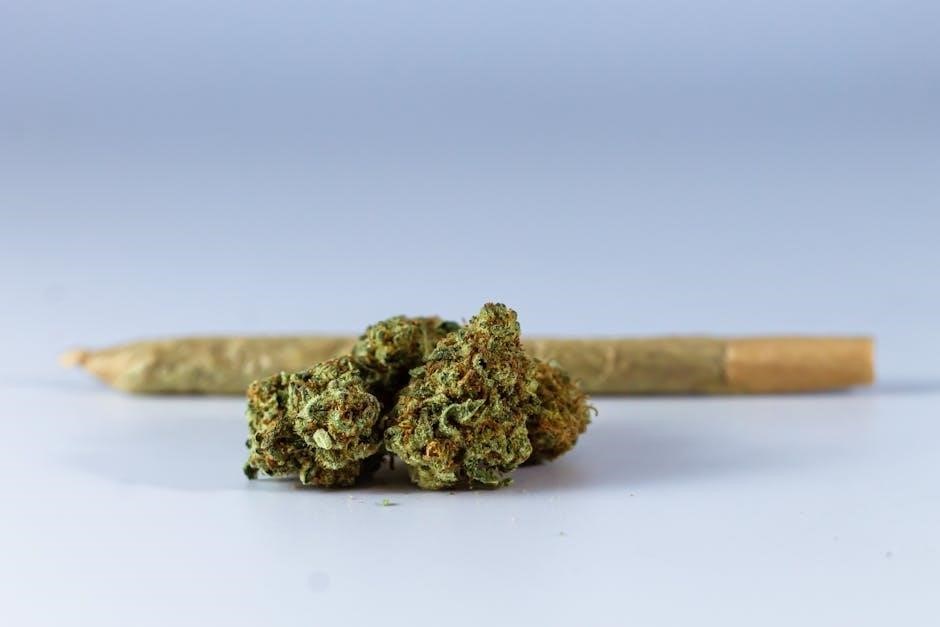
Crucially, the soil must be rich in nitrogen (N), phosphorus (P), and potassium (K) – the primary macronutrients. These are often represented as an NPK ratio on the packaging. Different stages of growth require varying NPK levels; vegetative growth favors higher nitrogen, while flowering demands increased phosphorus and potassium.
Consider the pH level as well. Cannabis thrives in a slightly acidic environment, ideally between 6.0 and 7.0. Test your soil’s pH and adjust accordingly using amendments like lime (to raise pH) or sulfur (to lower it). Avoid heavy clay soils, as they compact easily and hinder root development. A well-draining, loamy texture is generally preferred for robust growth and bountiful harvests.
Hydroponic Systems for Beginners
Hydroponics offers a soil-less cultivation method, delivering nutrients directly to plant roots via a water-based solution. While seemingly complex, several beginner-friendly systems exist. Deep Water Culture (DWC) is a popular starting point, involving suspending roots in aerated nutrient solution. Wick systems are even simpler, using a wick to draw nutrients up to the growing medium.
For newcomers, traditional growing mediums are often recommended before venturing into hydroponics. However, if you’re eager to experiment, research thoroughly. Maintaining proper pH and nutrient balance is critical in hydroponic systems, as plants rely entirely on the provided solution.
Consider the initial investment; hydroponic setups can be more expensive than soil-based grows. Regularly monitor water levels, nutrient concentrations, and root health to prevent issues. While offering faster growth and higher yields, hydroponics demands consistent attention and a solid understanding of plant physiology.
Nutrient Solutions: NPK and Micronutrients
Successful cannabis cultivation hinges on providing the correct nutrients. Macronutrients – Nitrogen (N), Phosphorus (P), and Potassium (K) – are essential in larger quantities, driving vegetative growth, root development, and bud formation respectively. Understanding the NPK ratio on fertilizer labels is crucial; different stages require varying proportions.
However, NPK isn’t the whole story. Micronutrients, though needed in smaller amounts, are equally vital. These include calcium, magnesium, iron, zinc, and manganese, each playing a specific role in plant health and metabolic processes.
Choosing a quality nutrient solution formulated for cannabis is recommended. Soil-based grows benefit from nutrients designed for soil, while hydroponic systems require specialized hydroponic formulas. Regularly monitor pH levels, as nutrient uptake is affected by acidity or alkalinity. Deficiencies or excesses can severely impact yield and quality.
The Grow Cycle: From Seed to Harvest
Witness the transformation! From germination’s delicate start, through vegetative growth, to the flowering stage’s bud maturation, each phase demands specific care.
Germination: Starting Your Seeds
Initiating life is crucial! Germination marks the exciting beginning of your grow. Seeds require a warm, humid environment to awaken. Popular methods include the paper towel method – placing seeds between moist paper towels, kept warm and dark – or direct sowing into a light growing medium.
Ensure consistent moisture, but avoid overwatering, which can lead to rot. A temperature range of 70-90°F (21-32°C) is ideal. Within 24-72 hours, a tiny root, called a radicle, will emerge.
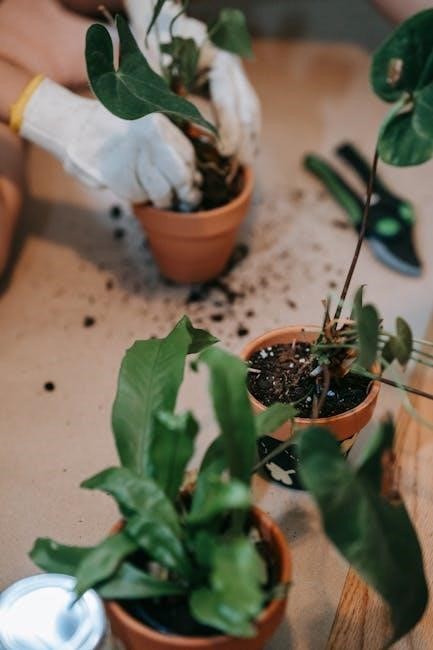
Once the radicle appears, carefully transplant the seedling into a small pot filled with a suitable soil mix. Handle the delicate root with utmost care. Provide gentle light and continue to maintain consistent moisture. This initial stage sets the foundation for a healthy, vigorous plant, so patience and attention to detail are key!
Vegetative Stage: Growth and Development
Witness rapid growth! The vegetative stage focuses on robust plant development; Provide 18-24 hours of light daily to mimic summer conditions, encouraging leafy growth. Ensure ample nitrogen in your nutrient solution, crucial for foliage development.
Monitor plant height and consider Low-Stress Training (LST) or pruning to manage growth and maximize light exposure. Proper ventilation is vital to prevent mold and strengthen stems. Maintain a comfortable temperature range of 70-85°F (21-29°C) and moderate humidity.
Regularly check for pests and address any issues promptly. This stage is about building a strong foundation for bud production. A healthy, well-developed plant during vegetation translates to a bountiful harvest later on, so consistent care is paramount!
Flowering Stage: Bud Formation and Maturation
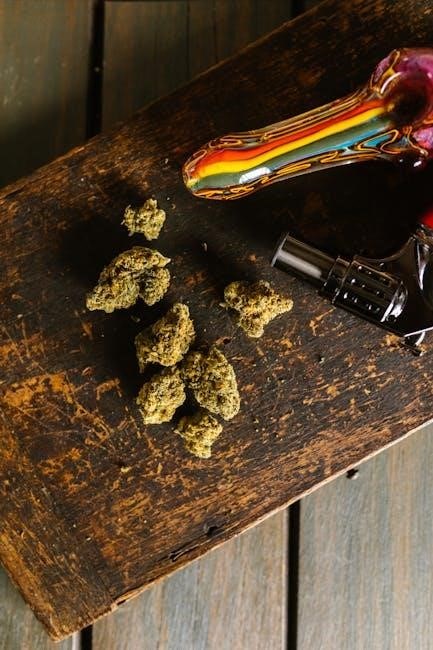
Behold the bud development! Transition to a 12/12 light cycle – 12 hours of light and 12 of darkness – to trigger flowering. Reduce nitrogen and increase phosphorus and potassium in your nutrient solution, supporting bud development.
Monitor trichome color; clear trichomes indicate immaturity, milky trichomes signal peak potency, and amber trichomes suggest a more relaxed effect. Maintain humidity between 40-50% to prevent bud rot. Support heavy buds with stakes or netting if needed.
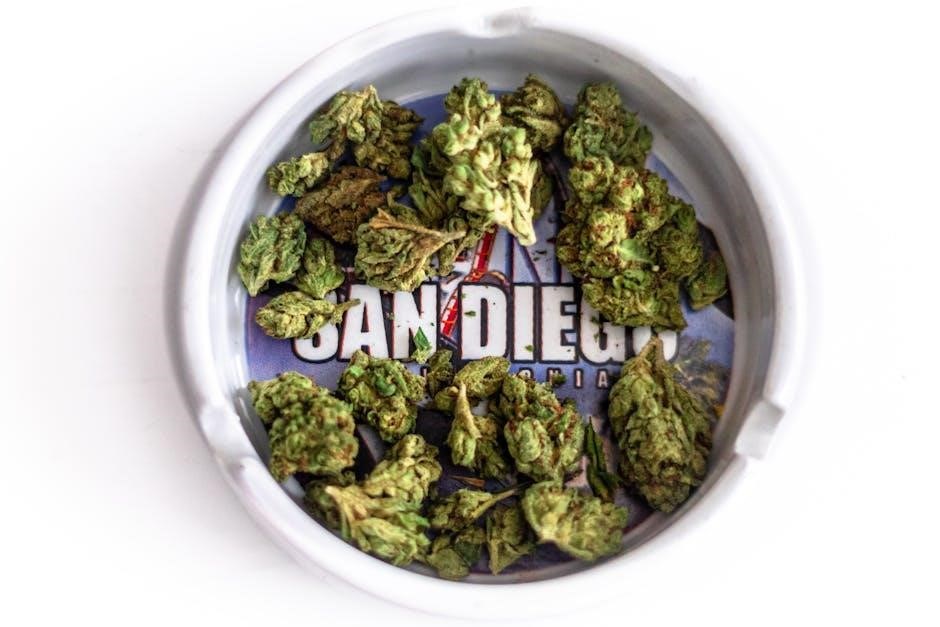
Pay close attention to odor control, as flowering plants emit a strong scent. This stage requires patience and precision. Consistent monitoring and adjustments will maximize yield and quality, culminating in a rewarding harvest!
Optimizing Yield and Quality
Maximize your harvest! Adjust light intensity and spectrum, control temperature and humidity, and employ pruning/training techniques for superior bud quality and abundant yields.
Light Intensity and Spectrum
Illumination is paramount for robust cannabis growth and maximizing yields. Understanding light intensity, measured in PPFD (Photosynthetic Photon Flux Density), is crucial; different growth stages demand varying levels. Seedlings and clones require lower intensities, while the vegetative and flowering phases benefit from significantly increased light.
Spectrum plays an equally vital role. During vegetation, a blue-rich spectrum (6500K) promotes leafy growth. Transitioning to flowering necessitates a red-rich spectrum (2700K) to encourage bud development. Full-spectrum LEDs are increasingly popular, offering adjustable spectrums to cater to each stage.
Choosing the right lighting system—LEDs, HPS, or CFLs—impacts both intensity and spectrum. LEDs offer efficiency and control, HPS provides high intensity, and CFLs are suitable for smaller grows. Increasing light intensity, while carefully monitoring plant response, can dramatically boost yields and potency, but always consider the specific strain’s needs.
Temperature and Humidity Control
Maintaining optimal environmental conditions is vital for healthy cannabis plants. Temperature and humidity are inextricably linked, influencing growth, nutrient uptake, and preventing issues like mold. During the vegetative stage, aim for temperatures between 70-85°F (21-29°C) with higher humidity levels (60-70%).
As plants transition to flowering, gradually reduce humidity to 40-50% to minimize bud rot risk. Simultaneously, maintain temperatures within the 65-80°F (18-27°C) range. Precise control requires monitoring with a hygrometer and thermometer.
Ventilation plays a key role in regulating both. Proper airflow prevents stagnant air, reducing humidity and maintaining consistent temperatures. Dehumidifiers and humidifiers can be employed to fine-tune the environment, ensuring optimal conditions for maximizing yield and quality.
Pruning and Training Techniques
Strategic pruning and training maximize light exposure and airflow, boosting yields. Techniques like topping (removing the main stem) encourage bushier growth, creating more bud sites. Low-Stress Training (LST) gently bends and ties down branches, creating a more even canopy.
Defoliation, the removal of fan leaves, improves airflow and directs energy to bud development. However, avoid excessive defoliation, as leaves are crucial for photosynthesis. ScrOG (Screen of Green) utilizes a screen to create an even canopy, maximizing light penetration.
Auto-flowering strains generally require less pruning than photoperiods. Careful implementation of these techniques, tailored to your strain and grow space, can significantly enhance both the quantity and quality of your harvest.
Pest and Disease Management
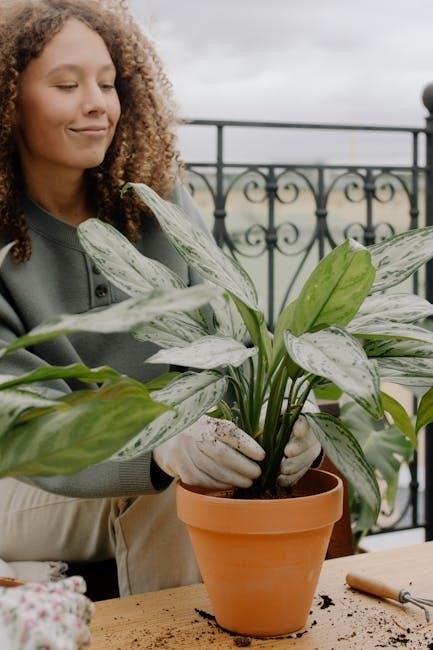
Protect your investment! Vigilance is key to preventing infestations and diseases, utilizing organic methods for control and maintaining a healthy growing environment.
Common Cannabis Pests
Identifying and addressing pests is crucial for a successful harvest. Several unwelcome guests commonly target cannabis plants, causing significant damage if left unchecked. Spider mites, tiny arachnids, thrive in dry conditions, leaving behind webbing and stippling on leaves. Aphids, small pear-shaped insects, suck sap, distorting growth and attracting ants.
Thrips, slender insects, feed on leaves and buds, causing silver streaks and discoloration. Whiteflies, small white flying insects, congregate on the undersides of leaves, weakening the plant. Fungus gnats, small dark flies, breed in moist soil, their larvae feeding on roots.
Early detection is paramount. Regularly inspect plants for signs of infestation, including webbing, spots, discoloration, or visible insects. Utilize magnifying glasses for a closer look. Prompt action, employing organic pest control methods, will minimize damage and protect your yield. Ignoring these pests can lead to stunted growth, reduced potency, and ultimately, crop failure.
Preventing and Treating Mold and Mildew
Mold and mildew pose a serious threat to cannabis crops, particularly in humid environments. Prevention is key, focusing on airflow and humidity control. Ensure adequate ventilation within the grow space, utilizing fans to circulate air and reduce stagnant pockets. Maintaining humidity levels between 40-50% discourages mold growth.
Early detection is vital. Regularly inspect plants for signs of mold, including white, powdery patches (powdery mildew) or gray, fuzzy growth (botrytis). Remove and destroy any affected leaves or buds immediately to prevent spread. Improve airflow and reduce humidity.
Treatment options include organic fungicides like neem oil or potassium bicarbonate. However, severe infestations may require more aggressive measures. Proper sanitation of the grow space is crucial, disinfecting surfaces and tools to eliminate spores. Addressing mold promptly safeguards your harvest and ensures a healthy, potent yield.
Organic Pest Control Methods
Maintaining a healthy grow environment minimizes pest issues, but proactive organic control is essential. Avoid harsh chemicals that can harm plants and consumers. Introduce beneficial insects like ladybugs and lacewings, natural predators of common cannabis pests like aphids and spider mites.
Neem oil is a versatile organic pesticide effective against various insects and fungal diseases. Apply diluted neem oil as a foliar spray, ensuring thorough coverage. Insecticidal soap disrupts pest cell membranes, providing effective control. Diatomaceous earth (DE) is a natural abrasive that damages insect exoskeletons.
Regularly inspect plants for pests, addressing infestations early. Companion planting with herbs like basil and rosemary can deter pests. Maintaining good sanitation and airflow further reduces pest pressure. Prioritizing organic methods ensures a clean, healthy harvest.