
Embarking on a high-protein, low-carb vegetarian journey requires mindful planning, focusing on nutrient density and strategic food choices for optimal health and sustained energy.
This dietary approach, often sought in PDF guides, prioritizes plant-based protein sources while minimizing carbohydrate intake, aligning with goals like weight management and improved metabolic health.
Resources like NutritionFacts.org and VeganBootcamp.org offer valuable support, while meal plans, aiming for around 2000 calories, can be adjusted with additions like walnuts or kefir.
Understanding the principles and potential challenges, such as B12 and iron deficiencies, is crucial for long-term success and well-being on this specialized vegetarian plan.
What is a High-Protein, Low-Carb Vegetarian Diet?
A high-protein, low-carb vegetarian diet centers around maximizing protein intake from plant-based sources while significantly reducing carbohydrate consumption. Unlike standard vegetarian diets that may rely heavily on grains and starches, this approach prioritizes legumes, tofu, tempeh, and non-starchy vegetables.
Often detailed in comprehensive PDF plans, it’s not simply eliminating meat; it’s a strategic macronutrient balance. The goal is typically to support muscle maintenance, promote satiety, and potentially aid in weight management or blood sugar control. Daily totals, as seen in example plans, might aim for around 78g of protein within a 1513-2000 calorie framework.
This diet isn’t necessarily “vegan,” as some variations may include dairy and eggs as protein sources; However, plant-based versions are readily available, often emphasizing resources like HappyCow.net for finding suitable meal options. Adjustments, like adding walnuts or kefir, are common to reach desired caloric and macronutrient targets, as highlighted in meal plan modifications.
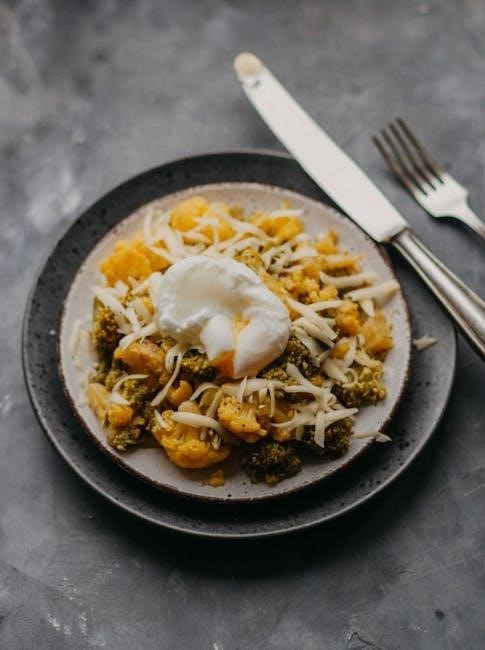
Ultimately, it’s a focused dietary pattern requiring careful planning to ensure nutritional adequacy, particularly regarding potential deficiencies like B12, iron, and omega-3 fatty acids.
Benefits of this Diet Approach
Adopting a high-protein, low-carb vegetarian diet, often outlined in detailed PDF guides, offers several potential health advantages. Increased protein intake promotes satiety, aiding in weight management by reducing cravings and overall calorie consumption. This approach can also support muscle mass preservation, crucial for maintaining metabolism.
Furthermore, limiting carbohydrates can lead to more stable blood sugar levels, benefiting individuals with insulin resistance or type 2 diabetes. The emphasis on whole, unprocessed foods – leafy greens, cruciferous vegetables, and legumes – provides essential vitamins, minerals, and fiber, contributing to overall well-being.
Resources like NutritionFacts.org underscore the health benefits of plant-based diets, while meal plans, adjusted with additions like walnuts, demonstrate practical application. The focus on nutrient density can improve energy levels and support optimal bodily functions.
However, careful planning is vital to avoid nutrient deficiencies, and consulting resources or a healthcare professional is recommended to personalize the diet effectively.
Who Might Benefit from this Diet?
Individuals seeking weight management, particularly those struggling with carbohydrate sensitivity, may find a high-protein, low-carb vegetarian diet – often detailed in PDF plans – particularly beneficial. Those aiming to improve blood sugar control, including individuals with type 2 diabetes or insulin resistance, could also experience positive outcomes.
Athletes and active individuals may appreciate the diet’s focus on protein for muscle recovery and maintenance. People looking to increase their intake of whole, unprocessed plant foods for overall health improvement are also strong candidates.
However, it’s crucial to note that this approach isn’t universally suitable. Individuals with kidney issues should consult a healthcare professional before significantly increasing protein intake.
Resources like VeganBootcamp.org can help assess suitability, and meal plans, adaptable with additions like kefir, offer a starting point. Careful consideration of individual needs and potential nutrient deficiencies is essential.
Core Principles of the Diet
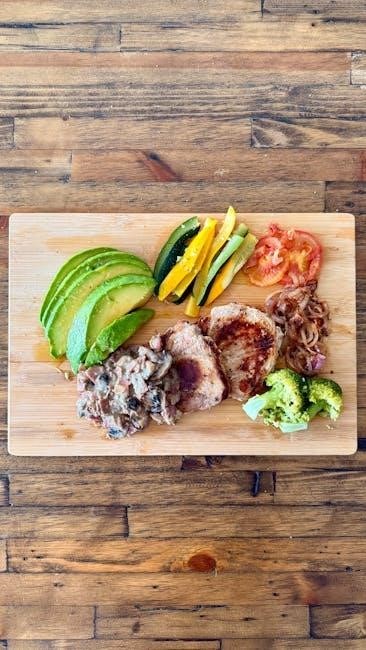
Central to this plan, often found in PDF format, is prioritizing protein from plant sources while drastically reducing carbohydrate consumption for metabolic and weight benefits.
Focus on whole foods, fiber-rich vegetables, and mindful macronutrient ratios to support sustained energy and overall well-being throughout the dietary journey.
Macronutrient Ratios: Protein, Carbs, and Fats
A successful high-protein, low-carb vegetarian diet, detailed in many PDF guides, hinges on carefully balanced macronutrient ratios. Typically, protein intake should constitute a significant portion, around 30-40% of total daily calories, ensuring muscle maintenance and satiety.
Carbohydrate intake is intentionally restricted, generally falling between 20-30%, emphasizing non-starchy vegetables and limiting grains, fruits, and processed sugars. This reduction encourages the body to utilize fat for fuel.
Healthy fats should comprise the remaining 30-40% of calories, sourced from avocados, nuts, seeds, and olive oil. These fats are vital for hormone production, nutrient absorption, and overall health.
For a 2000-calorie diet, this translates to roughly 150-200g of protein, 50-150g of carbohydrates, and 67-89g of fat. Adjustments are necessary based on individual activity levels and metabolic needs, as highlighted in resources like NutritionFacts.org.
Focus on Whole, Unprocessed Foods
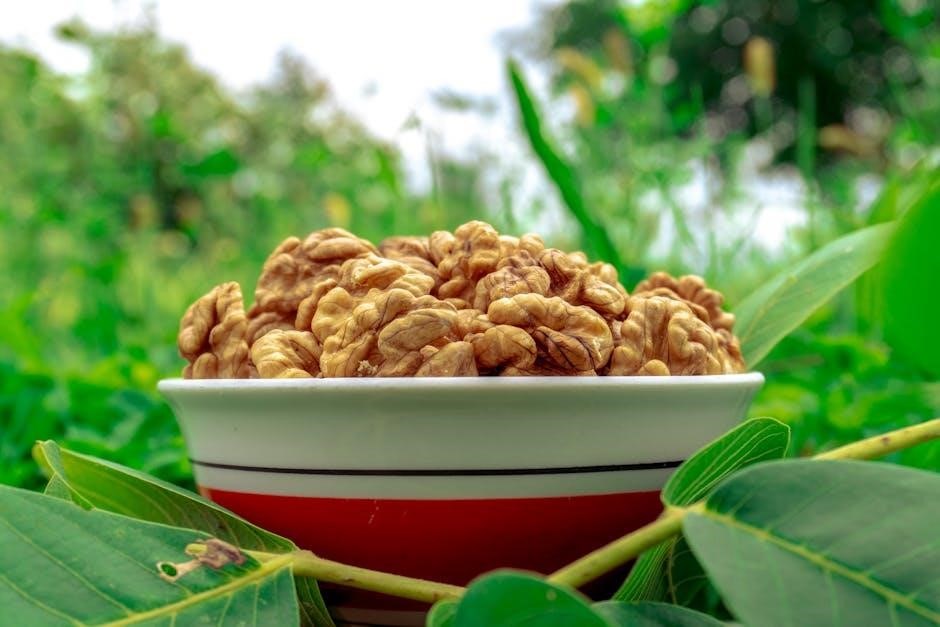
Central to any effective high-protein, low-carb vegetarian diet – often outlined in detailed PDF plans – is a commitment to whole, unprocessed foods. This means prioritizing foods in their natural state, minimizing additives, refined sugars, and artificial ingredients.
Emphasize legumes like lentils and chickpeas, alongside tofu and tempeh, as protein cornerstones. Load up on leafy greens, cruciferous vegetables, and other non-starchy options for fiber and micronutrients.
Avoid processed vegetarian products, sugary cereals, white bread, and excessive amounts of vegan cheese, as these can undermine the diet’s goals. Reading labels carefully is crucial to identify hidden carbohydrates and unhealthy fats.
A diet built around whole foods naturally provides greater nutritional value, supports gut health, and promotes sustainable weight management. Resources like HappyCow.net can aid in finding restaurants aligning with this philosophy.
Importance of Fiber Intake
Fiber plays a pivotal role in a successful high-protein, low-carb vegetarian diet, frequently detailed within comprehensive PDF guides. It’s not merely about fullness; fiber profoundly impacts digestion, blood sugar control, and overall health.
Vegetarian diets, when well-planned, naturally offer ample fiber through vegetables, legumes, and certain seeds. Prioritize leafy greens like spinach and kale, alongside broccoli, cauliflower, and other non-starchy options.
Adequate fiber intake mitigates constipation, a common concern when reducing carbohydrate consumption. It also supports a healthy gut microbiome, enhancing nutrient absorption and immune function.
Aim for at least 30 grams of fiber daily, as demonstrated in sample meal plans with totals like 30g fiber. Resources like NutritionFacts.org emphasize fiber’s benefits, while careful meal planning ensures sufficient intake on this dietary approach.

Protein Sources for Vegetarians
Vegetarian protein options, detailed in PDF plans, include legumes like lentils and chickpeas, versatile tofu and tempeh, and, if desired, dairy and eggs.
Protein powders can supplement intake, ensuring adequate levels for muscle maintenance and satiety on this focused dietary approach.
Legumes: Lentils, Chickpeas, Beans
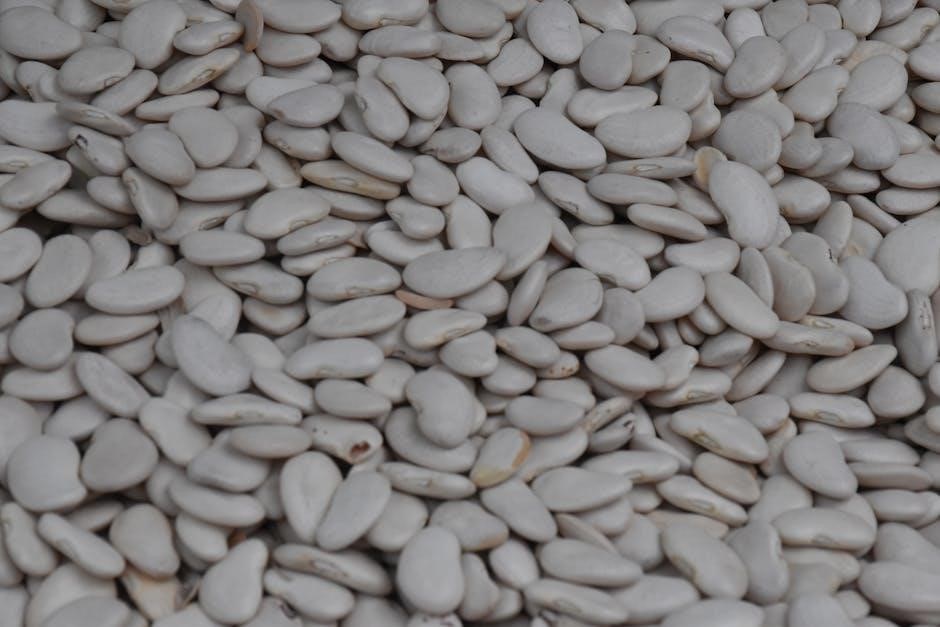
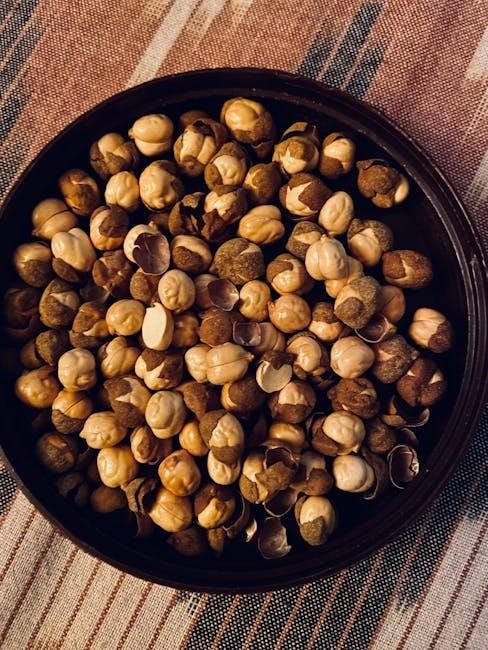
Legumes – lentils, chickpeas, and various beans – form a cornerstone of high-protein, low-carb vegetarian diets, frequently detailed within comprehensive PDF meal plans. These nutritional powerhouses offer a substantial protein yield alongside a commendable fiber content, promoting satiety and digestive health.
Lentils, available in red, green, and brown varieties, cook quickly and are incredibly versatile, lending themselves to soups, stews, and salads. Chickpeas, the base for hummus, provide a creamy texture and nutty flavor, while black beans, kidney beans, and pinto beans are excellent additions to chili and casseroles, as highlighted in online discussions.
When incorporating legumes, mindful portion control is key to manage carbohydrate intake. Pairing them with non-starchy vegetables and healthy fats further balances the macronutrient profile. PDF guides often suggest specific serving sizes to align with individual caloric and macronutrient goals, ensuring optimal results on this dietary path.
Tofu and Tempeh: Versatile Protein Options
Tofu and tempeh stand out as remarkably adaptable protein sources within a high-protein, low-carb vegetarian framework, often prominently featured in detailed PDF diet plans. Derived from soybeans, these ingredients offer complete proteins, containing all essential amino acids crucial for muscle maintenance and overall health.
Tofu, known for its ability to absorb flavors, can be prepared in countless ways – stir-fried, baked, scrambled, or even blended into smoothies. Tempeh, with its firmer texture and slightly nutty taste, excels in marinades and grilling. Both options provide a substantial protein boost without significantly impacting carbohydrate levels.
PDF guides frequently showcase recipes utilizing tofu and tempeh, emphasizing their versatility in mimicking meat-based dishes. Careful selection of preparation methods, avoiding sugary sauces or breading, is vital to maintain the low-carb focus of the diet. These plant-based proteins are invaluable for achieving daily protein targets.
Dairy & Eggs (If Included): Protein Powerhouses
For vegetarians who incorporate them, dairy and eggs represent potent protein sources, frequently highlighted within comprehensive high-protein, low-carb diet plans often available as PDF downloads. Eggs, particularly, offer a complete protein profile and minimal carbohydrate content, making them ideal for breakfast or as additions to meals.
Dairy products like Greek yogurt and cottage cheese provide substantial protein alongside calcium and other essential nutrients. However, mindful selection is key; opting for full-fat or low-sugar varieties minimizes carbohydrate intake. PDF guides often detail portion sizes to align with macronutrient goals.
These animal-derived proteins can significantly simplify meeting daily protein requirements on a vegetarian diet. Recipes in these plans often feature egg-based dishes or incorporate dairy strategically. Individuals following stricter vegetarian paths will, of course, exclude these options, relying on plant-based alternatives.
Vegetarian Protein Powders: Supplementing Intake
When adhering to a high-protein, low-carb vegetarian diet – often detailed in downloadable PDF plans – meeting protein targets can sometimes require supplementation. Vegetarian protein powders offer a convenient solution, particularly for those with higher activity levels or difficulty consuming enough protein through whole foods alone.
Popular options include soy protein, pea protein, brown rice protein, and blends combining multiple sources for a complete amino acid profile. PDF guides frequently recommend specific brands or provide guidance on choosing powders with minimal added sugars or carbohydrates.
These powders can be easily incorporated into smoothies, shakes, or even baked goods to boost protein content. Careful consideration of ingredient lists is crucial to ensure alignment with low-carb principles. Supplementation should complement, not replace, a foundation of whole food protein sources.
Low-Carb Vegetable Choices
Prioritize non-starchy vegetables like leafy greens, broccoli, and peppers, as detailed in your high-protein, low-carb vegetarian diet PDF, for essential nutrients.
These choices support satiety and provide fiber without significantly impacting carbohydrate intake, crucial for successful dietary adherence and overall wellness.
Leafy Greens: Spinach, Kale, Lettuce
Leafy greens form the cornerstone of a low-carb vegetarian diet, offering a wealth of nutrients with minimal carbohydrate impact, as highlighted in many high-protein, low-carb vegetarian diet plan PDFs. Spinach, kale, and various lettuce varieties are incredibly versatile and can be incorporated into numerous meals.
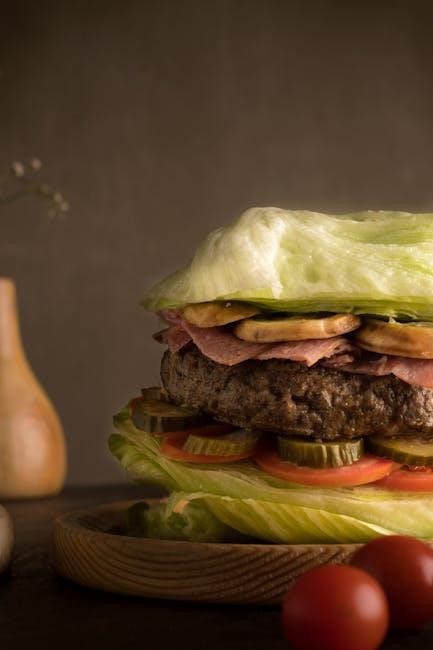
Spinach is a fantastic source of iron, vital for vegetarians, and provides vitamins A and C. Kale, a nutritional powerhouse, boasts high levels of vitamin K and antioxidants. Lettuce, while milder in flavor, adds bulk and freshness to salads and wraps.
These greens are exceptionally low in calories and carbohydrates, making them ideal for maximizing nutrient intake while staying within dietary guidelines. Enjoy them raw in salads, sautéed as a side dish, or blended into smoothies for a convenient nutritional boost. Remember to vary your greens to benefit from a wider range of vitamins and minerals, ensuring a well-rounded and satisfying dietary experience.
Cruciferous Vegetables: Broccoli, Cauliflower, Cabbage
Cruciferous vegetables – broccoli, cauliflower, and cabbage – are essential components of a successful high-protein, low-carb vegetarian diet, frequently detailed in comprehensive diet plan PDFs. These vegetables offer a unique blend of fiber, vitamins, and minerals, all while remaining relatively low in carbohydrates.
Broccoli is rich in vitamin C and fiber, promoting digestive health and boosting immunity. Cauliflower’s versatility allows it to be used as a rice substitute or blended into creamy sauces, adding substance without excess carbs. Cabbage, often overlooked, provides a satisfying crunch and is excellent in slaws or fermented as sauerkraut.
Incorporating these vegetables into your meals not only supports weight management but also contributes to overall well-being. They are packed with compounds that may have cancer-fighting properties. Enjoy them steamed, roasted, or stir-fried for a flavorful and nutritious addition to your vegetarian lifestyle.
Non-Starchy Vegetables: Peppers, Zucchini, Cucumber
Non-starchy vegetables – peppers, zucchini, and cucumber – form the colorful foundation of a high-protein, low-carb vegetarian diet, often highlighted within detailed PDF meal plans. These options provide essential nutrients with minimal impact on blood sugar levels, making them ideal for this dietary approach.
Bell peppers, available in various colors, are excellent sources of vitamin C and antioxidants. Zucchini, with its mild flavor, is incredibly versatile – grill it, spiralize it into noodles, or add it to stir-fries. Cucumbers offer refreshing hydration and a satisfying crunch, perfect for salads or as a low-calorie snack.

These vegetables contribute significantly to fiber intake, promoting satiety and digestive health. They are also low in calories, allowing for generous portions without compromising dietary goals. Embrace these vibrant additions to create flavorful and fulfilling vegetarian meals.

Sample Meal Plan (2000 Calories)
A 2000-calorie high-protein, low-carb vegetarian plan, often detailed in PDF guides, balances macronutrients for optimal results, incorporating adjustments like walnuts and kefir additions.
Breakfast Ideas (High-Protein, Low-Carb)
Starting your day with a protein-rich, low-carb breakfast is vital for sustained energy and satiety on this vegetarian plan, often outlined in detailed PDF resources. Consider a tofu scramble with spinach and mushrooms, providing approximately 20-25 grams of protein. Alternatively, a high-protein smoothie blending unsweetened almond milk, vegan protein powder, chia seeds, and a handful of berries offers a quick and nutritious option.
For those including dairy and eggs, Greek yogurt with a sprinkle of nuts and seeds, or a two-egg omelet filled with low-carb vegetables like peppers and onions, are excellent choices. Remember to prioritize whole, unprocessed foods. A serving of low-sugar-added vegan oatmeal cookies (around 1-2 cookies) can be a satisfying addition, but moderation is key. These breakfast ideas, typically around 300-400 calories, set a positive tone for the day, supporting your high-protein, low-carb goals.
Lunch Options (Satisfying and Nutritious)
A fulfilling, high-protein, low-carb lunch is crucial for maintaining energy levels and adhering to your vegetarian diet plan, often detailed in comprehensive PDF guides. A large salad featuring lentils or chickpeas, combined with leafy greens, non-starchy vegetables like cucumber and peppers, and a tahini-lemon dressing, provides a substantial and nutritious meal. Alternatively, a tempeh “BLT” using lettuce wraps instead of bread offers a satisfying alternative.
Consider a hearty vegetable soup packed with protein-rich legumes and cruciferous vegetables like broccoli and cauliflower. Adding a cup of low-fat plain kefir alongside your lunch can further boost protein intake. Aim for approximately 400-500 calories per lunch, focusing on whole, unprocessed ingredients. These options, readily adaptable to your preferences, ensure a balanced and energizing midday meal, supporting your dietary objectives.
Dinner Recipes (Flavorful and Filling)
Dinner on a high-protein, low-carb vegetarian diet, often outlined in detailed PDF plans, should be both satisfying and flavorful. A lentil shepherd’s pie, utilizing a cauliflower mash topping instead of potatoes, offers a comforting and nutritious option. Tofu stir-fries with an abundance of non-starchy vegetables like broccoli, peppers, and zucchini, seasoned with tamari and ginger, provide a quick and easy meal.
Chili made with tinned tomatoes, pulses, and topped with grated vegan cheese is another excellent choice. Aim for around 500-600 calories, prioritizing protein and fiber to promote fullness. Explore recipes that incorporate diverse spices and herbs to enhance flavor without adding carbohydrates. These dinners, easily customized to your liking, ensure a delicious and fulfilling end to your day, supporting your dietary goals.
Snack Suggestions (To Curb Cravings)
Snacking strategically is vital on a high-protein, low-carb vegetarian diet, often detailed in comprehensive PDF guides, to manage cravings and maintain energy levels. A handful of almonds or walnuts (around 3 tablespoons) provides healthy fats and protein. Consider a small serving of plain, low-fat kefir, offering a protein boost and probiotic benefits.
No-sugar-added vegan oatmeal cookies (1-2 cookies per serving) can satisfy a sweet tooth without derailing your progress. Edamame, either steamed or roasted, is another excellent option, delivering both protein and fiber. These snacks, typically ranging from 100-200 calories, should bridge the gap between meals and prevent overeating. Prioritize whole, unprocessed options to maximize nutritional value and support your dietary goals.
Potential Challenges and Solutions
Navigating a high-protein, low-carb vegetarian diet, as outlined in PDF plans, presents hurdles like meeting protein needs and avoiding deficiencies—B12, iron, and omega-3s.
Strategic supplementation and mindful food choices are key, alongside managing cravings and social eating situations with preparation and awareness.
Meeting Protein Needs on a Vegetarian Diet
Achieving adequate protein intake on a high-protein, low-carb vegetarian diet, detailed in many PDF plans, requires careful attention to food selection and portion sizes. Plant-based proteins are often less concentrated than animal sources, necessitating a higher volume of consumption.
Legumes – lentils, chickpeas, and beans – form a cornerstone, but diversifying sources is vital. Tofu and tempeh offer complete proteins and versatility in recipes. Consider incorporating vegetarian protein powders as a convenient supplement, especially post-workout or when meals are time-constrained.
Daily totals, as seen in example plans, should aim for at least 78g of protein for a 2000-calorie diet, potentially adjusting upwards based on activity level. Strategically adding protein-rich snacks, like a handful of walnuts, can contribute significantly. Remember to distribute protein intake throughout the day for optimal absorption and utilization.
Monitoring intake and adjusting meal plans based on individual needs is crucial for success.
Avoiding Nutrient Deficiencies (B12, Iron, Omega-3s)
A well-structured high-protein, low-carb vegetarian diet, often outlined in a PDF plan, must proactively address potential nutrient deficiencies. Vitamin B12 is primarily found in animal products, making supplementation essential for vegetarians. Regular B12 intake is crucial for nerve function and red blood cell production.
Iron absorption from plant sources is less efficient than from meat. Enhance absorption by pairing iron-rich foods – like lentils and spinach – with vitamin C-rich vegetables. Consider iron supplementation if levels are consistently low.
Omega-3 fatty acids, vital for brain health, are abundant in fatty fish. Vegetarians can obtain ALA from flaxseeds, chia seeds, and walnuts, but conversion to EPA and DHA is limited. An algae-based DHA/EPA supplement is a reliable alternative.
Regular blood tests and personalized adjustments to the diet are recommended to ensure optimal nutrient status.
Dealing with Cravings and Social Situations
Navigating cravings and social events is crucial for long-term adherence to a high-protein, low-carb vegetarian diet, often detailed in a PDF plan. Cravings often signal nutrient imbalances or emotional needs; address these with protein-rich snacks like nuts or seeds, and mindful eating practices.
Social situations can be challenging. Plan ahead by offering to bring a dish that aligns with your dietary needs, or pre-eating a satisfying meal. Don’t feel pressured to indulge in foods that don’t support your goals.
Focus on the abundance of delicious, compliant foods available. Explore flavorful recipes and experiment with spices to keep meals exciting. Remember that occasional, mindful deviations won’t derail your progress.
Building a supportive network and practicing self-compassion are key to overcoming challenges and maintaining motivation.