ite trip generation manual 11th edition

The ITE Trip Generation Manual, 11th Edition, serves as a standard resource for estimating transportation demand, published in 2021 with updated methodologies and data-driven approaches.

1.1 Overview of the Manual

The ITE Trip Generation Manual, 11th Edition, is a comprehensive guide for estimating trip generation rates based on land use categories. It provides standardized methodologies for transportation planning, supporting engineers and planners in predicting traffic volumes. The manual includes updated land use codes, trip generation rates, and pass-by percentages, reflecting current trends and data. It also introduces new tools like the TripGen11 app, enhancing accessibility and accuracy. The manual serves as a foundational resource for conducting traffic impact analyses and developing transportation plans. By integrating new technologies and addressing emerging land uses, such as marijuana dispensaries, the 11th Edition ensures relevance in modern transportation planning scenarios while maintaining its core purpose of providing reliable trip generation data.

1.2 Key Features of the 11th Edition

The 11th Edition of the ITE Trip Generation Manual introduces several key enhancements, including updated land use codes and trip generation rates to reflect current trends. It incorporates pass-by percentages for retail developments, improving accuracy in traffic impact analyses. The edition also features the TripGen11 app, a digital tool that streamlines trip generation calculations and allows for data filtering. Additionally, it addresses emerging land use categories such as marijuana dispensaries, ensuring relevance in modern transportation planning. The manual integrates with software like PTV Vistro, enhancing workflow efficiency. These features collectively provide a robust framework for transportation professionals to generate reliable estimates and support informed decision-making in transportation infrastructure development.

1.3 Importance of Trip Generation in Transportation Planning

Trip generation is a cornerstone of transportation planning, enabling accurate predictions of traffic demand and infrastructure needs. By analyzing trip production and attraction rates, planners can design efficient transportation networks, reducing congestion and improving safety. The ITE Trip Generation Manual, 11th Edition, provides critical data for these analyses, helping to balance development with mobility. It ensures that land use changes, like new retail or residential projects, are assessed for their traffic impact. This data-driven approach supports sustainable planning, mitigates potential traffic issues, and aids in creating livable communities. Accurate trip generation data is vital for cost-effective and environmentally conscious transportation solutions, making it indispensable for modern urban development strategies.

Land Use Categories and Trip Generation

Land use categories are classified based on their trip generation potential, enabling precise traffic impact assessments and informed transportation planning decisions.

2.1 Definition and Classification of Land Use Categories

Land use categories in the ITE Trip Generation Manual, 11th Edition, are defined as classifications of land based on their primary activities or functions. These categories are essential for transportation planning as they provide a standardized framework for estimating trip generation. The classification system is hierarchical, grouping land uses into broad types such as residential, commercial, and industrial, with further subdivisions into more specific categories like single-family residential or retail stores. Each category is assigned an ITE Land Use Code, which simplifies data analysis. The manual also incorporates emerging land use types, such as marijuana dispensaries, reflecting evolving urban developments. Accurate classification ensures reliable trip generation rates, enabling better traffic impact assessments and transportation infrastructure planning.

2.2 Land Use Codes and Trip Generation Rates

Land use codes in the ITE Trip Generation Manual, 11th Edition, are standardized identifiers assigned to specific land use categories. These codes facilitate consistent data analysis and trip generation rate application. Each code corresponds to a set of trip generation rates, typically expressed as trips per unit (e.g., trips per 1,000 square feet or trips per acre) during peak hours. For example, retail land uses may have distinct codes for small shops versus large shopping centers, with varying trip rates. The manual provides updated pass-by percentages and trip generation rates for emerging land uses like marijuana dispensaries. These codes and rates are accessible via the TripGen11 app, enabling precise calculations for transportation planning and traffic impact studies. Accurate code selection ensures reliable trip generation estimates, critical for infrastructure design and policy decisions.

2.3 Pass-By Percentages for Retail Developments

Pass-by percentages for retail developments are critical in traffic impact analysis, representing the proportion of traffic passing a site without stopping. The ITE Trip Generation Manual, 11th Edition, provides updated pass-by percentages for various retail land uses, enabling more accurate traffic estimates. These percentages vary by retail type, such as small shops versus large shopping centers, and are supported by research data. The manual’s pass-by percentages help refine trip generation calculations, ensuring realistic traffic projections. For example, small retail stores may have lower pass-by rates compared to larger developments. These updates enhance the precision of traffic impact assessments, aiding in better transportation planning and infrastructure design. Proper application of pass-by percentages ensures more accurate traffic forecasts for retail developments.

Methodology for Trip Generation Analysis

The ITE Trip Generation Manual, 11th Edition, outlines a structured methodology for analyzing trip generation, involving data collection, trip rate application, and site-specific adjustments for accurate projections.

3.1 Trip Production and Trip Attraction Concepts

Trip production refers to the number of trips originating from a land use, while trip attraction represents the number of trips destined to it. These concepts are fundamental to understanding traffic patterns and demand. The ITE Trip Generation Manual, 11th Edition, provides methodologies to estimate these values based on land use categories and site-specific data. Trip production is influenced by factors like population density, household size, and employment rates, while trip attraction is driven by the availability of services, retail, or employment opportunities. Accurate estimation of these trips is critical for transportation planning and traffic impact analysis. The manual also emphasizes the importance of considering pass-by trips and multi-stop journeys to refine predictions.

3.2 Data Sources and Collection Methods

The ITE Trip Generation Manual, 11th Edition, relies on diverse data sources to ensure accurate trip generation estimates. Primary data sources include traffic counts, household surveys, and land use inventories. Traffic counts provide insights into existing traffic volumes, while household surveys reveal travel behavior patterns. Land use inventories detail site-specific characteristics, such as floor area or employment numbers, critical for estimating trips. Secondary data sources include national and regional transportation studies, which offer broader trends and benchmarks. The manual also introduces advanced collection methods, such as automated traffic counters and GPS-based travel surveys, to enhance data precision. These methodologies ensure that trip generation analyses are grounded in reliable, up-to-date information, enabling better transportation planning decisions.

3.3 Application of Trip Generation Rates

The application of trip generation rates involves using land use-specific data to estimate traffic volumes. The ITE Trip Generation Manual, 11th Edition, provides standardized rates for various land use categories, such as retail, residential, and commercial developments. These rates are applied to site-specific characteristics, like floor area or number of units, to calculate peak-hour trips. Tools like the TripGen11 app and Excel spreadsheets simplify the process, enabling quick and accurate estimates. Adjustments are made for factors such as parking availability, public transit access, and mixed-use developments. This step ensures that trip generation analyses reflect real-world conditions, aiding in precise transportation planning and traffic impact assessments. Proper application of these rates is essential for effective infrastructure design and traffic management strategies.

Tools and Resources for Trip Generation

The ITE Trip Generation Manual, 11th Edition, offers tools like the TripGen11 app, PTV Vistro software, and Excel spreadsheets to streamline trip generation calculations and analysis.

4.1 TripGen11 App: Features and Functionality

The TripGen11 App is a powerful tool designed to complement the ITE Trip Generation Manual, 11th Edition. It provides users with seamless access to the entire dataset, enabling efficient estimation of motor vehicle trips for various land use categories. Key features include advanced filtering options, allowing users to refine data for accuracy, and a user-friendly interface that simplifies trip generation analysis. The app supports transportation planners in producing reliable estimates, ensuring informed decision-making for traffic impact studies and transportation planning projects.

4.2 PTV Vistro Software Integration

PTV Vistro software is a powerful tool integrated with the ITE Trip Generation Manual, 11th Edition, enhancing transportation planning and traffic impact analysis. It offers advanced features for simulating traffic flow and analyzing transportation networks. The software complements the TripGen11 app by providing detailed traffic signal timing and multimodal transportation planning capabilities. PTV Vistro allows users to import trip generation data from the ITE manual, enabling seamless integration into comprehensive transportation models. This integration supports professionals in creating accurate and scalable transportation plans, ensuring efficient traffic management and infrastructure design. The combination of PTV Vistro and the ITE manual provides a robust solution for modern transportation challenges.

4.3 Excel Spreadsheet Tools for Trip Generation

Excel spreadsheet tools are essential companions to the ITE Trip Generation Manual, 11th Edition, offering straightforward methods for calculating trip generation rates. These spreadsheets simplify data input, allowing users to enter land use details like square footage or number of units. They automatically compute trip production and attraction based on predefined rates from the manual. The spreadsheets are highly customizable, enabling adjustments for site-specific conditions such as pass-by percentages or unique land uses like marijuana dispensaries. They also support batch processing for large-scale developments, making them efficient for consultants and planners. By streamlining calculations, Excel tools enhance accuracy and save time, proving invaluable for transportation impact analyses and traffic studies.
Case Studies and Applications

Case studies demonstrate the practical application of the ITE Trip Generation Manual, 11th Edition, in real-world projects, showcasing its effectiveness in traffic impact analysis and transportation planning.

5.1 Retail Developments and Traffic Impact Analysis

Retail developments significantly influence traffic patterns, and the ITE Trip Generation Manual, 11th Edition, provides essential tools for analyzing their impact. By utilizing pass-by percentages and trip generation rates specific to retail land uses, planners can estimate peak-hour traffic volumes. The manual offers updated data to account for variations in retail types, such as shopping centers and standalone stores. Case studies demonstrate how these methodologies help assess traffic impacts and inform mitigation strategies. Integration with tools like TripGen11 and PTV Vistro enhances accuracy, enabling professionals to develop comprehensive traffic management plans tailored to retail environments. This section highlights practical applications of the manual in real-world scenarios, ensuring effective transportation planning for growing retail sectors.

5.2 Marijuana Dispensaries as a New Land Use Category

The 11th Edition of the ITE Trip Generation Manual introduces marijuana dispensaries as a distinct land use category, reflecting their growing presence in urban planning. This addition addresses the unique traffic patterns associated with dispensaries, which often experience concentrated demand during peak hours. The manual provides specific trip generation rates and pass-by percentages tailored to this category, enabling more accurate traffic impact analyses. Case studies illustrate how these new land use codes help estimate traffic volumes and plan infrastructure. This inclusion underscores the manual’s adaptability to emerging trends, ensuring that transportation planners can effectively manage the traffic implications of this rapidly evolving industry.

5.3 Residential and Commercial Trip Generation Examples

The ITE Trip Generation Manual, 11th Edition, provides detailed examples for estimating trips in residential and commercial settings. For instance, single-family homes are assigned specific trip generation rates, while multi-family residential units have distinct rates reflecting shared access. Commercial developments, such as retail centers, incorporate pass-by percentages to account for traffic attracted to adjacent businesses. These examples emphasize the importance of accurate land use classification and site-specific adjustments. The manual also offers case studies demonstrating how to apply trip generation rates effectively, ensuring realistic traffic volume predictions. Tools like the TripGen11 app and Excel spreadsheets further facilitate these calculations, enabling planners to refine estimates and integrate them into broader transportation analyses.

Best Practices for Using the Manual

Best practices include accurate land use classification, site-specific adjustments, and utilizing tools like TripGen11 and Excel spreadsheets for precise trip generation estimates, ensuring data accuracy and consistency in transportation planning analyses.

6.1 Selecting the Appropriate Land Use Category

Selecting the correct land use category is crucial for accurate trip generation analysis. The ITE Trip Generation Manual, 11th Edition, provides detailed classifications to ensure precise estimates. Understanding the land use definitions and codes is essential to avoid misclassification, which can lead to inaccurate traffic projections. Analysts should consider site-specific characteristics, such as location and operational features, to match the land use to the nearest ITE category. Tools like TripGen11 and updated pass-by percentages for retail developments further enhance accuracy. Proper selection ensures reliable data for transportation planning and mitigates potential traffic impacts. Always refer to the manual’s guidelines for classification to maintain consistency and accuracy in trip generation studies.

6.2 Adjusting for Site-Specific Conditions

Adjusting trip generation rates for site-specific conditions ensures more accurate traffic impact analyses. The ITE Trip Generation Manual, 11th Edition, emphasizes the importance of considering local factors such as access points, road network, and nearby land uses. Analysts should review available data sources and apply adjustments based on unique site characteristics. For instance, mixed-use developments or locations with high pedestrian activity may require specific modifications. Utilizing tools like PTV Vistro or Excel spreadsheets can facilitate these adjustments, ensuring estimates align with real-world conditions. Proper calibration helps in creating realistic traffic projections, which are vital for effective transportation planning and mitigating potential traffic impacts. Regular updates and case studies in the manual provide guidance for such adjustments, enhancing the reliability of trip generation analyses.

6.3 Mitigating Traffic Impact Through Trip Generation Data

Mitigating traffic impact requires leveraging trip generation data effectively. The ITE Trip Generation Manual, 11th Edition, provides insights to reduce congestion by identifying peak-hour traffic volumes. By analyzing trip production and attraction rates, planners can design strategies to distribute traffic more evenly. Implementing measures like signal optimization, access management, and promoting alternative transportation modes can significantly reduce traffic congestion. The manual also emphasizes the importance of integrating land use and transportation planning to minimize traffic generation. Tools like the TripGen11 app and PTV Vistro enable precise data analysis, supporting informed decision-making. Accurate trip generation data ensures that mitigation strategies are both practical and effective, contributing to sustainable transportation systems and enhanced community livability.

Emerging Trends and Future Directions

The 11th Edition highlights integrating new technologies, climate change impacts, and sustainable planning, shaping future updates to the manual and advancing transportation strategies for modern challenges.

7.1 Integration of New Technologies in Trip Generation

The 11th Edition of the ITE Trip Generation Manual embraces advancements in technology, enhancing accuracy and efficiency in trip generation analysis. Tools like the TripGen11 app provide digital access to the manual’s data, enabling users to filter and customize datasets for precise estimates. Integration with software such as PTV Vistro allows for seamless traffic flow modeling and impact assessments. Additionally, Excel spreadsheet tools remain popular for their simplicity, offering a traditional yet effective method for trip generation calculations. These technological integrations not only streamline the process but also support more informed decision-making in transportation planning. By leveraging these innovations, professionals can adapt to evolving land use trends and ensure sustainable transportation solutions. This integration underscores the manual’s commitment to modernizing trip generation practices.

7.2 Climate Change and Sustainable Transportation Planning

The 11th Edition of the ITE Trip Generation Manual addresses the critical role of transportation planning in mitigating climate change by promoting sustainable practices. It emphasizes the need to reduce carbon emissions through efficient land use and transportation strategies. The manual highlights the importance of integrating multimodal transportation options, such as public transit and pedestrian-friendly infrastructure, to minimize reliance on personal vehicles. Additionally, it provides guidance on assessing the environmental impact of trip generation, encouraging planners to adopt green technologies and alternative modes of transportation. By aligning trip generation analysis with sustainability goals, the manual supports the creation of eco-friendly transportation systems that reduce greenhouse gas emissions and contribute to resilient communities. This focus on sustainability ensures that transportation planning is both environmentally responsible and forward-thinking.

7.3 Future Updates to the ITE Trip Generation Manual

Future updates to the ITE Trip Generation Manual will focus on incorporating emerging technologies and evolving land use categories. The 11th Edition has set a foundation for integrating new data sources, such as real-time traffic analytics and advanced modeling tools. Upcoming revisions are expected to include updated land use codes, particularly for new categories like marijuana dispensaries. Additionally, there will be enhanced methodologies for estimating trip generation rates, considering factors like ride-sharing and autonomous vehicles. The manual will also expand its guidance on sustainable transportation planning to address climate change impacts. These updates aim to ensure the manual remains a comprehensive and adaptable resource for transportation professionals, reflecting the latest trends and innovations in the field. Regular updates will be informed by ongoing research and user feedback to maintain its relevance and accuracy.


Continue Reading

yamaha rxv683 manual

The Yamaha RX-V683 is a feature-rich AV receiver designed for enhanced home entertainment‚ supporting 4K‚ Dolby Vision‚ and wireless connectivity. It comes with comprehensive Owner’s‚ Service‚ and Quick Start manuals for optimal setup and operation.

1.1 Overview of the Yamaha RX-V683 Receiver

The Yamaha RX-V683 is a 7.2-channel AV receiver designed for immersive home theater experiences. It supports 4K resolution‚ Dolby Vision‚ and Hybrid Log-Gamma for stunning video quality. Equipped with Wi-Fi‚ Bluetooth‚ and AirPlay‚ it offers wireless connectivity for seamless music streaming. The receiver also features multi-zone audio support and Yamaha’s YPAO room calibration technology. With robust HDMI and AV input options‚ it integrates easily with modern and legacy devices‚ ensuring versatile and high-quality audio-visual performance for users seeking advanced home entertainment solutions.

1.2 Key Features and Capabilities

The Yamaha RX-V683 boasts advanced features like Dolby Vision‚ 4K HDR‚ and Hybrid Log-Gamma for exceptional video clarity. It supports wireless connectivity through Wi-Fi‚ Bluetooth‚ and AirPlay‚ enabling seamless music streaming. The receiver includes a phono input for vinyl playback and Zone 2 audio for multi-room setups. Yamaha’s YPAO technology optimizes sound quality based on room acoustics. With robust HDMI inputs and compatibility with MusicCast‚ the RX-V683 offers versatile control and enhanced audio-visual performance‚ catering to both modern and legacy devices seamlessly.

1.3 Importance of the Manual for Optimal Use

The Yamaha RX-V683 manual is essential for unlocking its full potential‚ guiding users through setup‚ operation‚ and troubleshooting. It provides detailed instructions for maximizing features like 4K HDR‚ Dolby Vision‚ and wireless connectivity. The manual also covers preparation steps‚ everyday operations‚ and advanced configurations‚ ensuring users can enjoy seamless audio-visual performance. Available in digital formats‚ it offers convenient access to troubleshooting tips and optimal settings‚ making it indispensable for both novice and experienced users to achieve the best home entertainment experience.

Setting Up the Yamaha RX-V683

Setting up the Yamaha RX-V683 involves unboxing‚ connecting speakers and HDMI devices‚ and ensuring proper firmware updates. Follow the manual for a seamless configuration.

2.1 Unboxing and Initial Preparation

Unboxing the Yamaha RX-V683 involves carefully removing the receiver and accessories from the packaging. Ensure all components‚ including the remote control and power cord‚ are included. Before powering on‚ read the Quick Start Guide to understand basic operations. Familiarize yourself with the unit’s ports and buttons. Place the receiver in a well-ventilated area to prevent overheating. Charge or install batteries in the remote control as needed. This preparation ensures a smooth setup process.

2.2 Connecting Speakers and Subwoofers

Start by matching the speaker terminals on the Yamaha RX-V683 with your speaker cables‚ ensuring correct polarity. Use high-quality cables to minimize signal loss. Connect the subwoofer to the dedicated subwoofer output. Refer to the manual for impedance and power ratings to ensure compatibility. Securely tighten all connections to avoid signal degradation. Double-check the wiring to prevent short circuits. Finally‚ test the audio output to confirm proper functionality and balanced sound across all channels. Follow the manual for detailed steps.

2.3 HDMI and AV Input/Output Configuration

Connect your HDMI devices to the Yamaha RX-V683 by matching the input ports to your source devices. Use high-speed HDMI cables for 4K and Dolby Vision support. Assign inputs via the on-screen menu for easy selection. For legacy devices‚ utilize the AV inputs and ensure proper cable connections. Refer to the manual for specific port configurations and capabilities. Test the HDMI ARC and eARC functionality for seamless audio return. Ensure all settings are optimized for your home theater setup.

2.4 Initial Firmware Check and Update

Upon unboxing‚ perform a firmware check to ensure your Yamaha RX-V683 operates with the latest features and bug fixes. Use the on-screen menu to navigate to the firmware update section. Connect the receiver to your network via Ethernet or Wi-Fi for a stable update. Follow the manual’s guidance to download and install the update. Avoid interrupting the process to prevent system issues. Once complete‚ restart the receiver to apply changes. Regular updates ensure optimal performance and compatibility with connected devices.

Operating the Yamaha RX-V683

The Yamaha RX-V683 offers intuitive controls via its remote and on-screen menu‚ enabling easy adjustment of audio settings and wireless connectivity options for seamless entertainment experiences.

3.1 Using the Remote Control

The remote control for the Yamaha RX-V683 provides easy navigation and operation. It allows users to adjust volume‚ switch inputs‚ and access various audio settings. The remote also enables control of connected devices via HDMI and supports quick access to features like Yamaha’s Scene buttons for preset configurations. Batteries are included‚ and the operating range is designed for reliable performance. Regularly checking battery levels ensures uninterrupted use‚ while the intuitive button layout simplifies operation for both beginners and advanced users.

3.2 Navigating the On-Screen Menu

The Yamaha RX-V683 features an intuitive on-screen menu system that simplifies adjustments and settings. Users can easily navigate through options like audio modes‚ input selection‚ and sound customization using the remote control. The menu provides clear visuals and organized categories‚ making it user-friendly for both beginners and advanced users. The manual offers detailed guidance on accessing and utilizing these features effectively to enhance your home theater experience. Regular updates ensure compatibility with the latest technologies and improvements in functionality.

3.3 Adjusting Audio Settings for Different Modes

The Yamaha RX-V683 allows users to fine-tune audio settings for various listening modes‚ ensuring optimal sound quality. Whether it’s movies‚ music‚ or games‚ the receiver offers preset and customizable audio profiles. Users can adjust parameters like EQ‚ surround sound levels‚ and dynamic range to suit their preferences. The manual provides step-by-step instructions on how to access and modify these settings‚ enabling a tailored audio experience for any scenario. This feature enhances immersion and ensures the best possible sound for every source.

3.4 Utilizing Wireless Connectivity Options

The Yamaha RX-V683 offers seamless wireless connectivity‚ including Wi-Fi‚ Bluetooth‚ and AirPlay‚ enabling easy streaming from compatible devices. Users can connect smartphones‚ tablets‚ or computers to enjoy high-quality audio wirelessly. The MusicCast app allows for multi-room audio control‚ enhancing the listening experience. With these features‚ the receiver provides flexible and convenient options for modern home entertainment‚ ensuring compatibility with a wide range of wireless devices and streaming services.

Advanced Features of the Yamaha RX-V683

The Yamaha RX-V683 boasts advanced features like Dolby Vision‚ 4K support‚ and YPAO room calibration‚ ensuring immersive audio and video quality. Multi-room audio and MusicCast integration enhance versatility.

4.1 Dolby Vision and 4K Support

The Yamaha RX-V683 supports Dolby Vision and 4K resolution‚ providing exceptional visual clarity and contrast. With Hybrid Log-Gamma compatibility‚ it ensures vivid colors and smooth tone transitions. This receiver is designed to enhance your home theater experience by delivering immersive visuals‚ making it ideal for 4K HDR content. Its advanced HDMI capabilities ensure seamless connectivity for modern devices‚ offering a cinematic experience with every viewing session.

4.2 Multi-Room (Zone 2) Audio Setup

The Yamaha RX-V683 offers multi-room audio capabilities‚ enabling Zone 2 playback. This feature allows you to enjoy different audio sources in separate areas of your home simultaneously. By configuring Zone 2‚ you can play music in one room while watching a movie in another. The receiver supports dedicated Zone 2 pre-outs‚ ensuring high-quality audio distribution. This flexibility enhances your home entertainment system‚ providing independent control over audio in multiple zones for a tailored listening experience.

4.3 YPAO (Yamaha Parametric Room Acoustic Optimizer)

YPAO is Yamaha’s advanced room calibration system‚ designed to optimize audio performance in any listening environment. Using a microphone‚ it analyzes room acoustics and adjusts settings to ensure precise sound reproduction. The system compensates for factors like speaker placement and room dimensions‚ delivering a balanced soundstage and clear dialogue. This feature enhances overall audio quality‚ making it ideal for home theaters. Refer to the manual for detailed setup instructions to maximize YPAO’s benefits.

4.4 Integration with Yamaha MusicCast

The Yamaha RX-V683 seamlessly integrates with Yamaha MusicCast‚ enabling multi-room audio and wireless streaming. This feature allows users to control multiple MusicCast-compatible devices via the Yamaha MusicCast app. It supports various audio formats and enables whole-home audio distribution. The system also allows for wireless connectivity with additional speakers‚ enhancing flexibility and convenience. Refer to the manual for detailed setup instructions to fully utilize MusicCast’s features and create a connected home audio experience.

Troubleshooting Common Issues

This section helps resolve common problems like no sound‚ distorted audio‚ or connectivity issues. It provides step-by-step solutions and guides users to consult the manual for detailed fixes.

5.1 No Sound or Distorted Audio

If experiencing no sound or distorted audio‚ check all connections for damage or incorrect placement. Ensure the volume is turned up and the correct input is selected. Verify speaker settings in the on-screen menu and test individual channels. Resetting the receiver or updating firmware may resolve software-related issues. Consult the manual for detailed troubleshooting steps and ensure proper calibration using the YPAO feature for optimal sound quality.

5.2 Connectivity Problems (HDMI‚ Wi-Fi‚ Bluetooth)

For HDMI issues‚ ensure cables are securely connected and compatible with the receiver. Restart devices and check HDMI settings for correct output. Wi-Fi and Bluetooth problems may require resetting network settings or updating firmware. Ensure devices are in range and properly paired. Consult the manual for detailed troubleshooting steps‚ such as resetting the receiver or reconnecting devices. Firmware updates often resolve connectivity conflicts‚ so check Yamaha’s website for the latest version.

5.3 Error Messages and Their Solutions

Common error messages on the Yamaha RX-V683 include “No Sound‚” “Network Connection Failed‚” or “HDMI Error.” For “No Sound‚” check speaker connections and audio settings. “Network Connection Failed” may require restarting the router or updating firmware. “HDMI Error” often resolves by resetting the HDMI handshake or ensuring proper cable connections. Refer to the manual for specific error codes and solutions. Updating firmware or resetting the receiver to factory settings can address persistent issues. Always consult the manual for detailed troubleshooting guidance.

5.4 Resetting the Receiver to Factory Settings

To reset the Yamaha RX-V683 to factory settings‚ press and hold the STANDBY button on the front panel while simultaneously pressing the INFO or SETUP button on the remote control. This process restores all settings to their default values. Note that this will erase all custom configurations‚ so ensure to back up your settings before proceeding. For detailed steps‚ refer to the Service Manual or the Owners Manual‚ which provide clear instructions for resetting the receiver. This process is useful for resolving persistent issues or preparing the unit for sale.

Maintenance and Updates

Regular maintenance ensures optimal performance. Update firmware via the internet or USB for new features and bug fixes. Clean the unit with a soft cloth and avoid harsh chemicals.

6.1 Regular Firmware Updates

Regular firmware updates are essential for maintaining the Yamaha RX-V683’s performance and compatibility. These updates often include new features‚ bug fixes‚ and improvements for connectivity and audio processing. Users can update the firmware via an internet connection directly through the receiver or by downloading the update to a USB drive from Yamaha’s official website. It’s recommended to check for updates periodically to ensure the receiver operates at its best. Always follow the instructions provided in the manual to avoid any issues during the update process;

6.2 Cleaning and Physical Maintenance

Regular cleaning and physical maintenance are crucial for the Yamaha RX-V683’s longevity and performance. Use a soft‚ dry cloth to wipe the exterior‚ avoiding harsh chemicals or liquids. For vents‚ gently vacuum or use compressed air to remove dust. Ensure all ports and connectors remain clean and free of debris. Avoid exposing the unit to direct sunlight or moisture. Regular maintenance helps preserve sound quality and prevents overheating‚ ensuring optimal functionality over time. Always handle the receiver with care to maintain its physical integrity.

6.3 Checking for Software Compatibility

Ensuring software compatibility with the Yamaha RX-V683 is essential for seamless functionality. Regularly check Yamaha’s official website for firmware updates and compatibility lists. Verify that connected devices‚ such as speakers or Blu-ray players‚ are supported by the receiver’s software. Compatibility issues may arise with new devices‚ so consulting the manual or Yamaha support is recommended. Maintaining updated software ensures optimal performance and integration with modern technologies‚ enhancing your home theater experience. Always refer to the manual for specific compatibility guidelines.

Manuals and Resources

The Yamaha RX-V683 provides detailed Owner’s‚ Service‚ and Quick Start manuals in PDF format. These resources offer comprehensive guides for setup‚ operation‚ and troubleshooting‚ ensuring optimal use.

7.1 Types of Manuals Available (Owner’s‚ Service‚ Quick Start)

The Yamaha RX-V683 offers three essential manuals: the Owner’s Manual‚ Service Manual‚ and Quick Start Guide. The Owner’s Manual provides detailed instructions for everyday use‚ while the Service Manual is geared toward technicians for advanced repairs. The Quick Start Guide simplifies initial setup and basic operations. All manuals are available in PDF format‚ ensuring easy access and convenience for users. These resources collectively ensure comprehensive understanding and maintenance of the receiver.

7.2 Accessing Digital Copies of Manuals

Digital copies of the Yamaha RX-V683 manuals are readily available for download in PDF format. Users can access the Owner’s Manual‚ Service Manual‚ and Quick Start Guide through Yamaha’s official website or trusted online resources. These manuals are free to download and compatible with all modern devices‚ ensuring easy access to instructions and troubleshooting guides. Additionally‚ users can view each manual page individually using a scroll bar for convenient navigation.

7.3 Additional Resources and Support

Beyond manuals‚ Yamaha offers extensive resources to enhance your RX-V683 experience. Online forums and community discussions provide valuable insights and troubleshooting tips from experienced users. Yamaha’s official support website features firmware updates‚ FAQs‚ and detailed technical specifications. Additionally‚ authorized dealers and service centers offer professional assistance for complex issues. These resources ensure comprehensive support‚ helping users maximize their receiver’s performance and resolve any challenges efficiently.
The Yamaha RX-V683 is a powerful and versatile AV receiver‚ offering exceptional sound quality and advanced features. With proper setup and maintenance‚ it delivers an immersive audio experience.

8.1 Summary of Key Points

The Yamaha RX-V683 is a versatile AV receiver offering 4K and Dolby Vision support‚ multi-room audio‚ and wireless connectivity. It is designed for enhanced home entertainment‚ combining robust features with user-friendly operation. Regular firmware updates ensure optimal performance‚ while detailed manuals provide guidance for setup and troubleshooting. Proper maintenance and configuration are essential to maximize its capabilities‚ delivering an immersive audio-visual experience for users.

8.2 Final Tips for Maximizing Performance

To optimize the Yamaha RX-V683‚ ensure proper calibration using YPAO for accurate sound reproduction. Regularly update firmware to access the latest features and improvements. Utilize high-quality HDMI cables for 4K and Dolby Vision support. Experiment with audio modes to tailor sound to your preference. Maintain a clean power supply and organize cables to prevent interference. Refer to the manual for advanced settings and troubleshooting guidance to fully harness the receiver’s capabilities.

Frequently Asked Questions (FAQs)

The Yamaha RX-V683 manual addresses common queries about connectivity‚ sound settings‚ and troubleshooting; It provides clear solutions for HDMI issues‚ wireless setup‚ and firmware updates.

9.1 General Usage and Functionality

The Yamaha RX-V683 manual answers common questions about everyday use‚ such as navigating the on-screen menu‚ using the remote control‚ and understanding basic audio settings. It also covers wireless connectivity options like Wi-Fi and Bluetooth‚ ensuring seamless integration with modern devices. Additionally‚ the manual provides guidance on setting up multi-room audio and optimizing sound quality through features like YPAO calibration. This section helps users make the most of their receiver’s capabilities.

9.2 Technical Specifications and Limitations

The Yamaha RX-V683 manual details its technical capabilities‚ including 7.2-channel support‚ 4K resolution‚ and Dolby Vision compatibility. It outlines wireless connectivity options like Wi-Fi‚ Bluetooth‚ and AirPlay. However‚ users may encounter limitations such as occasional HDMI connectivity issues or firmware update requirements. The manual provides specifications for compatible devices and addresses potential technical constraints‚ ensuring users understand the receiver’s operational boundaries and how to overcome them for optimal performance.

9.3 Compatibility with Other Devices

The Yamaha RX-V683 manual emphasizes its compatibility with various devices‚ ensuring seamless integration. It supports HDMI‚ Wi-Fi‚ Bluetooth‚ and AirPlay‚ allowing connection to modern gadgets. The receiver works with Yamaha’s MusicCast system for multi-room audio. It also accommodates vinyl playback via a phono input. Compatibility with Dolby Vision and 4K ensures it pairs well with advanced displays. Users can also connect subwoofers and speakers‚ making it versatile for diverse home entertainment setups. Proper setup ensures optimal performance across all connected devices.

Continue Reading

maytag genesis double oven manual

Welcome to the Maytag Genesis Double Oven manual, your comprehensive guide to unlocking the full potential of your appliance․ This manual provides essential information on features, safety, and maintenance to ensure optimal performance and longevity․Discover how to navigate the control panel, utilize advanced cooking modes, and troubleshoot common issues․Whether you’re a seasoned chef or a new user, this manual offers the insights you need for a seamless cooking experience․

Overview of the Maytag Genesis Double Oven

The Maytag Genesis Double Oven is a high-performance appliance designed for versatile cooking needs․ It features a spacious double oven design, offering flexibility for simultaneous cooking at different temperatures․ With advanced cooking modes, precise temperature control, and smart integration, this oven is built for efficiency and durability․ Its sleek design and robust construction make it a reliable choice for home cooks and professionals alike․ This manual provides a detailed guide to help users master its features and ensure optimal performance․

Importance of the Manual for Proper Usage

The manual is essential for understanding and safely operating the Maytag Genesis Double Oven․ It provides detailed guidance on installation, maintenance, and troubleshooting, ensuring optimal performance․ By following the manual, users can maximize the oven’s features, avoid common mistakes, and maintain safety standards․ It also serves as a troubleshooting guide, helping users address issues like error codes or malfunctioning parts․ Referencing the manual ensures users achieve the best results while extending the appliance’s lifespan and maintaining warranty compliance․

Key Features Highlighted in the Manual

The manual highlights the Maytag Genesis Double Oven’s advanced features, including its dual-oven design, versatile cooking modes, and precision temperature control․ It emphasizes the self-cleaning function, energy-efficient performance, and user-friendly control panel․ The manual also details special features like rapid preheating, even baking, and smart cooking algorithms․ These features ensure consistent results and simplify the cooking process, making the oven ideal for home cooks and professionals alike․ Understanding these features through the manual helps users maximize their cooking experience and maintain the appliance’s optimal performance;

Product Features and Specifications

The Maytag Genesis Double Oven features a dual-oven design, offering flexible cooking options; It includes advanced convection technology, a 6․7 cu․ ft․ total capacity, and EvenAir™ true convection for consistent results․ The oven boasts a robust construction, energy-efficient performance, and a user-friendly interface․ With Precision Cooking™ and a Sabbath mode, it caters to diverse cooking needs; The manual provides detailed specs, ensuring users understand the appliance’s capabilities and technical requirements for optimal functionality․

Double Oven Design and Configuration

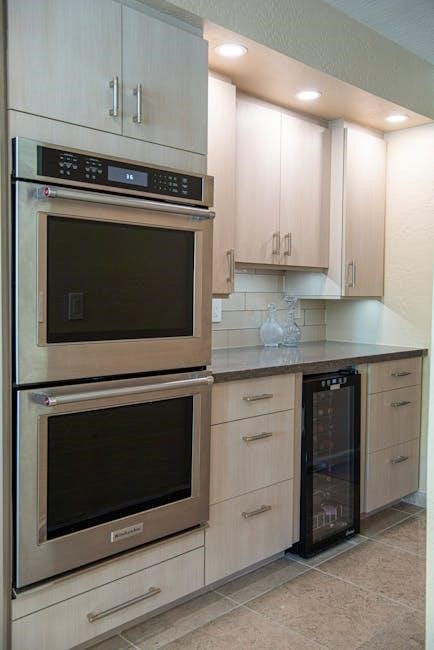
The Maytag Genesis Double Oven features a dual-oven configuration, allowing for simultaneous cooking at different temperatures․ Its 6․7 cu․ ft․ total capacity provides ample space for large dishes․ The upper and lower ovens are designed for flexibility, with the upper oven offering EvenAir™ true convection for uniform cooking․ The lower oven is ideal for slow roasting and large batches․ Both ovens feature heavy-duty racks and high-quality insulation for consistent heat retention․ This configuration ensures efficient energy use while maintaining the same footprint as a traditional range, making it a practical addition to any kitchen․

Cooking Modes and Functions

The Maytag Genesis Double Oven offers a variety of advanced cooking modes, including EvenAir™ true convection for uniform baking and roasting․ Precision Cooking ensures accurate temperature control, while the Sabbath Mode allows for extended cooking sessions․ Additional functions include a rapid preheat feature, delayed start, and a keep-warm setting․ The ovens also support smart connectivity, enabling remote monitoring and control via the Maytag app․ These versatile modes cater to diverse cooking needs, from delicate pastries to hearty roasts, ensuring exceptional results every time․

Special Features of the Maytag Genesis Series

The Maytag Genesis Series stands out with its EvenAir™ true convection system, ensuring consistent cooking results across all racks․ It also features Sabbath Mode for extended cooking needs and smart connectivity via the Maytag app for remote monitoring․ The ovens are built with durable construction and intuitive controls, designed for heavy-duty use․ Exclusive to the Genesis Series, these features enhance both functionality and user experience, making it a top choice for home cooks and professionals alike․

Technical Specifications and Dimensions

The Maytag Genesis Double Oven measures 47․75 inches in height, 29․875 inches in width, and 24․5 inches in depth, fitting standard kitchen spaces․ Each oven compartment offers 5 cubic feet of capacity, ideal for large meals․ The unit weighs approximately 235 pounds, ensuring stability․ It requires a 240V electrical connection and is designed for 60Hz operation․ The oven is available in stainless steel, black, and white finishes, blending seamlessly with modern kitchens․ These dimensions and specifications ensure compatibility and performance for various cooking needs․

Installation and Setup

Proper installation ensures safe and efficient operation․ Refer to the manual for model-specific instructions, electrical requirements, and venting guidelines․ Contact Maytag support at 1-800-688-9900 for assistance․

Preparation for Installation

Before installing your Maytag Genesis Double Oven, ensure the installation site meets all electrical and venting requirements․ Gather the necessary tools and materials․ Locate the model and serial numbers on the oven frame for registration․ Read the manual thoroughly to understand specific installation needs․ Ensure the surrounding area is clear and safe for the installation process․ Verify the dimensions of the space to ensure a proper fit․ Contact Maytag support at 1-800-688-9900 if you encounter any issues during preparation․

Step-by-Step Installation Guide

Begin by unplugging the oven and ensuring all electrical connections are disconnected․ Carefully place the oven in its designated space, aligning it with surrounding surfaces․ Secure the unit using the provided mounting hardware to prevent movement․ Connect the electrical wires according to the manual’s wiring diagram, ensuring all connections are tight and safe․ Install the venting system as specified, adhering to local building codes․ Double-check all connections for leaks or loose fittings․ Finally, test the oven by running a short cycle to ensure proper function․ If unsure, consult a professional installer․

Venting and Electrical Requirements

Proper ventilation is essential for safe and efficient operation․ Ensure a dedicated 4-inch venting system is installed, meeting local building codes and manufacturer specifications․ The oven requires a 240V, 60Hz electrical connection with a minimum 40-amp circuit․ Use a grounded, three-prong plug or hardwire the unit as specified․ Avoid sharing the circuit with other high-power appliances to prevent overload․ Ensure all connections comply with safety standards and are inspected by a licensed electrician if unsure․ Proper installation ensures optimal performance and safety․

Safety Precautions

Ensure safety by reading the manual thoroughly․ Avoid overheating, keep flammable materials away, and supervise children․ Use oven mitts and proper cookware to prevent accidents and injuries․

General Safety Guidelines

Always read the manual thoroughly before using your Maytag Genesis Double Oven․ Ensure proper installation and venting to prevent gas or electrical hazards․ Keep flammable materials away from the oven and never leave cooking unattended․ Supervise children and pets near the appliance․ Use oven mitts or tongs to handle hot cookware․ Avoid overheating by monitoring temperatures and cooking times․ Regularly clean food residue to prevent fires․ Follow all safety guidelines to ensure safe and efficient operation of your oven․

Warnings and Cautions

Important: Always follow the Maytag Genesis Double Oven manual’s safety precautions to avoid accidents․ Never use the oven as a storage space or near flammable materials․ Avoid using abrasive cleaners, as they may damage surfaces․ Ensure proper installation and venting to prevent hazardous conditions․ Do not operate the oven without the racks in place, as this could cause damage․ Keep children and pets away during operation․ Failure to follow these guidelines may result in injury or damage and could void your warranty․ Refer to the manual for detailed instructions and safety measures․

Understanding Error Codes and Alarms

The Maytag Genesis Double Oven manual details specific error codes and alarms to help you identify and resolve issues quickly․ These codes, such as “F1” or “E2,” indicate problems like sensor malfunctions or temperature errors․ Refer to the manual’s troubleshooting section to understand each code’s meaning and the corrective actions required․ If an alarm sounds, ensure the oven is turned off and follow the recommended steps to reset or address the issue․ For persistent problems, contact Maytag customer support for professional assistance to avoid further complications or safety risks․

Operating the Maytag Genesis Double Oven

Mastering the Maytag Genesis Double Oven involves understanding its intuitive control panel, exploring versatile cooking modes, and utilizing precise temperature control for perfect results every time․

Control Panel Overview

The control panel is the central command center of your Maytag Genesis Double Oven, designed for intuitive operation․ It features a backlit display, touch-sensitive controls, and clearly labeled buttons for easy navigation․ The panel allows seamless selection of cooking modes, temperature adjustments, and timer settings․ A digital display provides real-time feedback, ensuring precise control over your cooking process․ Additional features like a clock and customizable presets enhance usability, making it simple to manage multiple dishes simultaneously․ This user-friendly interface ensures a smooth and efficient cooking experience․

Cooking Modes and Settings

The Maytag Genesis Double Oven offers a variety of cooking modes to suit every culinary need․ These include Bake, Broil, Roast, Convection, Proofing, and Sabbath Mode․ Each mode is designed for specific tasks, ensuring precise temperature control and even cooking․ The convection mode uses circulating hot air for faster cooking, while Proofing Mode helps dough rise perfectly․ Customizable settings allow you to adjust temperatures, timers, and cooking durations to achieve desired results․ With these versatile options, you can effortlessly switch between modes to prepare a wide range of dishes with ease and accuracy․

Temperature Control and Precision

The Maytag Genesis Double Oven excels in temperature control, ensuring accurate and consistent cooking results․ With advanced sensors and precise heating elements, the oven maintains the set temperature within a narrow range․ This feature is particularly beneficial for baking, roasting, and sensitive dishes that require exact heat levels․ The dual oven design allows for independent temperature control in each cavity, enabling you to cook multiple dishes simultaneously without compromising performance․ This level of precision is a hallmark of the Maytag Genesis series, delivering professional-grade results in a home kitchen setting․

Using the Timer and Clock Features

The Maytag Genesis Double Oven features a user-friendly timer and clock system, allowing you to manage your cooking schedule effortlessly․ Set the timer to alert you when your dish is ready, ensuring perfectly cooked meals every time․ The clock can be adjusted to match your kitchen’s time, providing a synchronized cooking experience․ For added convenience, the timer can be programmed in advance, giving you flexibility in meal preparation․ Refer to the manual for step-by-step instructions on setting and using these features effectively to enhance your cooking routine․

Special Cooking Features

The Maytag Genesis Double Oven boasts advanced cooking modes designed to enhance your culinary experience․ Features like multi-mode cooking allow for precision in various techniques, while smart sensors monitor dish progress․ The delayed start function lets you plan meals in advance, and the Sabbath mode ensures observance of religious practices; Additionally, Wi-Fi connectivity enables remote monitoring and control via a smartphone app․ These features, combined with the oven’s intelligent system, provide unparalleled flexibility and convenience, making it a versatile tool for both novice and experienced cooks alike․

Cleaning and Maintenance

Regular maintenance ensures optimal performance․ The self-cleaning function simplifies oven care, while wipe-downs after use prevent grime buildup․ Avoid harsh chemicals to protect the finish and interior․

Self-Cleaning Function Explained

The self-cleaning function on your Maytag Genesis Double Oven uses high temperatures to burn food residue into ash, simplifying cleanup․ Before starting, remove racks and shelves, and cover the floor with a sheet to catch ash․ Set the self-clean mode via the control panel, ensuring the oven is empty and ventilation is adequate․ After the cycle, let the oven cool, then wipe down surfaces with a damp cloth․ This feature saves time and effort, keeping your oven pristine without harsh chemicals․

Manual Cleaning and Care Tips

For manual cleaning, unplug the oven for safety․ Remove racks and shelves, washing them with mild detergent․ Wipe interior surfaces with a soft cloth and gentle cleaner, avoiding abrasive materials․ For tough stains, mix baking soda and water to create a paste, applying it overnight before rinsing․ Regularly clean the exterior with a damp cloth and mild soap․ Avoid harsh chemicals or abrasive cleaners, as they may damage the finish․ Always refer to recommended cleaning products to maintain your oven’s appearance and functionality․

Maintenance Tips for Longevity

Regularly inspect and clean the oven vent to ensure proper airflow and prevent overheating․ Check door seals for wear and tear, replacing them if leaks occur․ Run the self-clean cycle periodically to maintain interior condition․ Avoid using abrasive cleaners on surfaces․ Inspect racks and shelves for damage, replacing as needed; Ensure all electrical connections are secure and meet safety standards․ Refer to the manual for recommended maintenance schedules․ Address error codes promptly to prevent long-term damage․ Proper care extends the lifespan and performance of your Maytag Genesis Double Oven․

Troubleshooting Common Issues

If your Maytag Genesis Double Oven displays error codes, refer to the manual for decoding and resolving issues․ Check electrical connections if the oven fails to power on․ For uneven heating, ensure racks are properly positioned and sensors are clean․ If the self-clean cycle malfunctions, reset the oven or cancel the cycle․ Addressing issues promptly prevents further damage․ Always consult the manual for detailed troubleshooting steps to restore functionality and maintain performance․ Regular checks and timely interventions ensure your oven operates efficiently and reliably for years to come․

Accessing the Manual Online

Visit the official Maytag website, enter your oven’s model number, and download the manual directly․ For assistance, call 1-800-688-9900 or refer to the provided resources online․

Where to Find the Maytag Genesis Double Oven Manual

To access the Maytag Genesis Double Oven manual, visit the official Maytag website․ Navigate to the support section and enter your oven’s model number in the search bar․ This will direct you to the specific manual for your appliance․ Alternatively, you can download the manual directly from trusted online resources or contact Maytag customer support at 1-800-688-9900 for assistance․ Ensure you have your model and serial number ready for a smooth experience․ The manual is also available for printing or saving digitally for future reference․

Downloading and Saving the Manual

Downloading the Maytag Genesis Double Oven manual is straightforward․ Visit the official Maytag website, navigate to the support section, and enter your oven’s model number in the search bar․ Once located, click the download button to save the manual as a PDF․ Ensure your device has enough storage space for the file․ Save the manual in a easily accessible folder or cloud storage for future reference․ This digital copy allows you to access it anytime, even without internet connection, ensuring you always have the guide handy for troubleshooting or operational guidance․

Printing the Manual for Easy Reference

To print the Maytag Genesis Double Oven manual, first ensure you have the PDF downloaded to your device․ Open the file using a PDF reader like Adobe Acrobat or your browser’s built-in viewer․ Use the print function and select a standard printer․ Choose landscape orientation for better readability․ Consider printing on high-quality paper for clarity․ For convenience, organize the pages in a binder or use a three-ring binder with hole-punched sheets․ This physical copy allows easy access without needing digital devices, making it a practical reference for daily use or troubleshooting․

Warranty and Customer Support

Understand your warranty terms for coverage details․ Register your product at www․maytag․com or www․maytag․ca for warranty validation․ Contact Maytag support at 1-800-688-9900 for assistance․ Dedicated service ensures your needs are met promptly and efficiently, providing peace of mind for your investment․

Understanding the Warranty Terms

Your Maytag Genesis Double Oven is backed by a comprehensive warranty ensuring coverage for parts and labor under specific conditions․ The warranty period varies by component, with details outlined in your manual․ Proper registration on Maytag’s official website is required to validate your warranty․ Coverage includes repairs and replacements for defective parts, excluding normal wear and tear․ Understanding your warranty terms ensures you maximize protection for your investment․ Refer to the manual for full details on what is covered and for how long․

Registering Your Product

Registering your Maytag Genesis Double Oven is a straightforward process that ensures warranty validation and access to exclusive customer support benefits․ Visit the official Maytag website at www․maytag․com (or www․maytag․ca for Canadian customers) and navigate to the product registration section․ You will need your oven’s model and serial numbers, typically located on the frame behind the storage drawer panel․ Create an account or log in, then fill out the registration form with accurate personal and product details․ Upon completion, you’ll receive confirmation of successful registration, ensuring your warranty remains active and you stay updated on product-related information․

Contacting Maytag Customer Support

For assistance with your Maytag Genesis Double Oven, contact customer support at 1-800-688-9900․ This service is available to address any questions or concerns you may have․ Additionally, you can visit the official Maytag website at www․maytag․com (or www․maytag․ca for Canadian customers) to access online support resources, including FAQs, troubleshooting guides, and live chat options․ Be prepared to provide your oven’s model and serial numbers for efficient assistance․

Continue Reading

white rodgers 1f80 361 instruction manual

The White Rodgers 1F80-361 is a programmable digital thermostat from the Classic 80 Series, featuring microcomputer technology for precise temperature control․ It offers 5-day/1-day/1-day scheduling, temporary hold, and manual override options․ With a backlit LCD display and compatibility with various HVAC systems, this thermostat provides user-friendly energy management solutions for home comfort;

Overview of the 1F80-361 Model

The White Rodgers 1F80-361 is a programmable electronic digital thermostat from the Classic 80 Series․ It features a solid-state microcomputer for precise temperature control, offering 5-day/1-day/1-day scheduling options․ The thermostat includes a backlit LCD display for easy readability and supports temporary hold functionality․ It is compatible with a wide range of HVAC systems and provides flexible programming options, including manual overrides․ The device operates within a temperature range of 45°F to 90°F and includes terminal designations such as RC, RH, C, W, Y, G, O, and B․ Designed for energy efficiency and user convenience, the 1F80-361 is a reliable choice for home comfort control․

Importance of Reading the Manual

Reading the White Rodgers 1F80-361 instruction manual is essential for proper installation, operation, and troubleshooting․ It provides critical safety precautions to avoid personal injury or property damage․ The manual outlines step-by-step installation guidance, ensuring compatibility with your HVAC system․ Understanding the thermostat’s features, such as programming options and temporary hold functions, requires referencing the manual․ It also covers maintenance tips and advanced settings, ensuring optimal performance․ Failure to follow the instructions can lead to improper setup or operation, reducing efficiency and potentially causing system malfunctions․ Always refer to the manual before attempting any adjustments or repairs to ensure safety and effectiveness․

Installation Instructions

The White Rodgers 1F80-361 installation requires turning off power, gathering necessary materials, and following step-by-step manual instructions to ensure safe and proper setup of the thermostat․

Materials Needed for Installation

For installing the White Rodgers 1F80-361 thermostat, you will need a screwdriver, wire strippers, and a voltage tester․ Ensure compatibility with your HVAC system (24V AC)․ Gather the thermostat unit, mounting hardware, and wires․ Turn off power at the circuit breaker before starting․ Refer to the manual for specific terminal connections (RC, RH, C, W, Y, G, O, B)․ Use the provided wall plate and screws to secure the thermostat․ Ensure all wires are properly stripped and connected to avoid electrical issues․ Safety precautions, such as wearing insulated gloves, are recommended․ Follow the step-by-step guide in the manual for accurate installation․

Step-by-Step Installation Process

Begin by turning off the power to your HVAC system at the circuit breaker․ Remove the old thermostat and disconnect the wires, noting their connections․ Mount the new wall plate using the provided screws․ Connect the wires to the corresponding terminals (RC, RH, C, W, Y, G, O, B) as per the wiring diagram․ Secure the thermostat to the wall plate and restore power․ Use the voltage tester to ensure no live wires are present during connections․ Follow the manual’s instructions for programming and setting up your preferred schedule․ Test the system to ensure proper operation․ Always refer to the 1F80-361 manual for specific guidance․

Wiring Diagram and Connections

The White Rodgers 1F80-361 thermostat requires precise wiring connections to ensure proper functionality․ Refer to the wiring diagram in the manual to identify the correct terminals: RC (24V common), RH (24V heating), C (common), W (heating), Y (cooling), G (fan), O (heat pump), and B (reversing valve)․ Ensure all wires are securely connected to their respective terminals․ If replacing an old thermostat, label the wires before disconnecting them to avoid confusion․ Double-check the connections to prevent errors․ The thermostat is compatible with most HVAC systems, but verify compatibility with your specific setup․ Always turn off the power at the circuit breaker before starting any wiring work to ensure safety․ Follow the manual’s wiring instructions carefully to avoid damage or malfunction․

Mounting the Thermostat

Mounting the White Rodgers 1F80-361 thermostat requires careful attention to ensure proper installation․ Begin by turning off the power to the HVAC system at the circuit breaker․ Remove the thermostat’s faceplate and attach the subbase to the wall using the provided screws and wall anchors․ Ensure the subbase is level for accurate temperature sensing․ If necessary, drill pilot holes for the screws․ Once the subbase is secure, reattach the faceplate, ensuring all wiring connections are safely routed through the wall․ The thermostat is designed to fit standard gang boxes, but verify compatibility with your existing setup․ Mounting the thermostat at the correct height (typically 52-60 inches from the floor) ensures accurate temperature readings․ Refer to the manual for specific mounting guidelines and safety precautions․ Proper installation ensures reliable performance and energy efficiency․ Always follow the manufacturer’s instructions to avoid damage or malfunction․

Programming Features

The White Rodgers 1F80-361 offers flexible programming options, including 5-day/1-day/1-day scheduling, weekend programming, and temporary hold functionality, allowing users to customize temperature settings for energy efficiency and comfort․

5-Day/1-Day/1-Day Programming Options

The White Rodgers 1F80-361 thermostat offers versatile 5-Day/1-Day/1-Day programming, allowing users to set distinct temperature schedules for weekdays and weekends․ This feature enables precise control over heating and cooling systems, optimizing energy usage and comfort․ Users can program different temperature settings for each day of the week, with specific start and end times․ The 5-Day option covers Monday through Friday, while the two 1-Day options are typically for Saturday and Sunday․ This flexibility ensures that the thermostat adapts to varying lifestyles and schedules, providing consistent comfort while reducing energy waste․ The programming is easily customizable via the thermostat’s interface, making it user-friendly and efficient․

Weekend Programming Options

The White Rodgers 1F80-361 thermostat provides specific weekend programming options, allowing users to set distinct temperature schedules for Saturday and Sunday․ This feature is part of the 1-Day programming options, enabling tailored comfort and energy efficiency during weekends․ Users can program different start and end times for each day, ensuring the thermostat adapts to their unique weekend routines․ The interface allows for easy customization, and the LCD display clearly shows the programmed settings․ This flexibility ensures that the thermostat operates efficiently, maintaining desired temperatures while reducing energy waste․ The weekend programming feature complements the 5-Day/1-Day/1-Day scheduling, offering a comprehensive solution for varying lifestyles․

Manual Override and Temporary Hold

The White Rodgers 1F80-361 thermostat offers a Manual Override feature, allowing users to temporarily adjust the temperature without altering the programmed schedule․ By pressing the HOLD button, the thermostat will maintain the manually set temperature until the next programmed period begins․ This is ideal for occasional adjustments, such as when leaving the house earlier than usual or returning later․ The Temporary Hold function ensures that the thermostat resumes its normal programming after the hold period ends, providing both convenience and energy efficiency․ This feature is particularly useful for balancing comfort and energy savings, especially during unexpected schedule changes․

Operating the Thermostat

The 1F80-361 thermostat features a user-friendly interface with an LCD display showing setpoint and current temperature․ It allows easy adjustments, temporary hold, and manual overrides for precise control․

Basic Operation and Display Functions

The 1F80-361 thermostat features a backlit LCD display that shows the current temperature, setpoint, and system status․ Users can easily adjust settings using the arrow keys․ The display alternates between current temperature and setpoint for clear visibility․ The thermostat’s interface is intuitive, allowing quick access to basic functions like temperature adjustment and system mode selection․ A temporary hold feature is also accessible, enabling manual overrides without disrupting the programmed schedule․ The LCD provides real-time feedback, ensuring precise control over heating and cooling systems․ This user-friendly design makes it easy to monitor and manage home comfort settings efficiently․ The display also includes indicators for system operation, such as heating or cooling mode․

Temperature Override Until Next Program Period

The 1F80-361 thermostat allows users to temporarily override the programmed temperature settings until the next scheduled period․ This feature provides flexibility for unexpected changes in comfort needs without altering the entire schedule․ By pressing the arrow keys, users can adjust the temperature, and the override will remain active until the next programmed setpoint․ The display will show both the current temperature and the overridden setpoint, ensuring clarity․ This function is ideal for situations where temporary adjustments are necessary, such as when the house is unoccupied or during special events․ The override can be canceled at any time by pressing the HOLD button, restoring the original programming․ This feature enhances convenience and energy efficiency․

Manual Program Override (HOLD Temperature)

The 1F80-361 thermostat’s HOLD function allows users to override the programmed temperature settings manually․ To activate, press the HOLD button, which locks the current temperature until the next scheduled period or until deactivated․ The display indicates “HOLD” when active․ Pressing HOLD again or adjusting the temperature returns the thermostat to its programmed schedule․ This feature is ideal for temporary adjustments without altering the entire program․ It works in both heating and cooling modes, with temperature adjustments limited to the thermostat’s range․ The display shows the overridden temperature, ensuring clarity․ This convenient override enhances flexibility while maintaining energy efficiency․

Advanced Features

The 1F80-361 thermostat features advanced options like Fahrenheit to Celsius conversion, temporary HOLD functionality, and microcomputer technology for precise temperature control, ensuring efficient and customizable operation․

Fahrenheit to Celsius Convertibility

The White Rodgers 1F80-361 thermostat offers a convenient Fahrenheit to Celsius conversion feature, allowing users to toggle between temperature units based on their preference․ This feature ensures flexibility for individuals accustomed to either scale, providing clear and accurate temperature display․ The thermostat’s LCD screen seamlessly switches between °F and °C, maintaining precise temperature control and readability․ This functionality is particularly useful for international users or those who prefer metric measurements․ The conversion process is straightforward, often accessible via the thermostat’s menu, ensuring a user-friendly experience․ This feature enhances the thermostat’s versatility, making it suitable for a wide range of applications and user needs․

Temporary HOLD Function

The White Rodgers 1F80-361 thermostat features a Temporary HOLD function, allowing users to override the programmed schedule temporarily․ This function is ideal for adjusting the temperature without altering the entire program․ By pressing the HOLD button, the thermostat maintains the current temperature setting until the next programmed period begins․ This feature provides flexibility for short-term changes, such as when the house is unoccupied or during unexpected events․ The Temporary HOLD function ensures energy efficiency while offering convenience․ It is easily activated and canceled, making it a practical solution for varying temperature needs․ This function is a key advantage of the thermostat’s programmable design․

Microcomputer Technology for Precise Control

The White Rodgers 1F80-361 thermostat utilizes advanced microcomputer technology to deliver accurate and reliable temperature control․ This solid-state microcomputer enables precise time and temperature management, ensuring consistent heating and cooling performance․ The technology allows for real-time adjustments and maintains programmed settings with high accuracy․ It supports features like 5-day/1-day/1-day scheduling and temporary overrides, making it adaptable to various household needs․ The microcomputer ensures smooth operation of all thermostat functions, including temperature hold and manual overrides․ This advanced technology enhances energy efficiency and provides a user-friendly experience․ The 1F80-361 model is designed to integrate seamlessly with compatible HVAC systems, offering reliable and efficient climate control for any home․

Technical Specifications

The White Rodgers 1F80-361 operates on 24V systems, with a temperature range of 45°F to 90°F․ It features RC, RH, C, W, Y, G, O, and B terminals for compatibility with various HVAC setups․

Voltage and Compatibility Requirements

The White Rodgers 1F80-361 thermostat is designed to operate on a 24V AC system, ensuring compatibility with most standard HVAC setups․ It supports a wide range of heating, cooling, and heat pump systems, making it versatile for various home configurations․ The thermostat is compatible with single-stage and multi-stage systems, as well as dual-fuel setups․ Its terminal designations include RC, RH, C, W, Y, G, O, and B, providing flexibility for different wiring configurations․ The thermostat’s voltage requirements ensure safe and efficient operation, while its compatibility with multiple system types makes it a reliable choice for precise temperature control in residential environments․

Temperature Range (45°F to 90°F)

The White Rodgers 1F80-361 thermostat operates effectively within a temperature range of 45°F to 90°F, ensuring optimal comfort and energy efficiency․ This range allows precise temperature control during both heating and cooling cycles․ The thermostat’s microcomputer technology maintains consistent temperatures, reducing fluctuations and providing a stable environment․ Whether in summer or winter, the 1F80-361 adapts to maintain your preferred settings, ensuring energy savings and comfort․ Its temperature range is suitable for most residential applications, making it a reliable choice for maintaining desired indoor conditions throughout the year․

Terminal Designations (RC, RH, C, W, Y, G, O, B)

The White Rodgers 1F80-361 thermostat features specific terminal designations to ensure proper wiring and functionality․ The terminals are labeled as follows: RC (24V common), RH (24V heating), C (common), W (heating stage), Y (cooling stage), G (fan), O (heat pump reversing valve), and B (common for heat pump systems)․ Correct wiring according to these designations is essential for safe and efficient operation․ The manual provides detailed wiring diagrams to guide installation, ensuring compatibility with various HVAC systems․ Proper terminal connections are critical to avoid malfunctions and ensure precise temperature control․ Always refer to the manual for specific wiring instructions tailored to your system configuration․

Product Dimensions and Weight

The White Rodgers 1F80-361 thermostat has dimensions of 5․5 inches in height, 4․5 inches in width, and 1․5 inches in depth․ Its lightweight design makes it easy to handle and install, weighing approximately 6․4 ounces․ These compact dimensions ensure the thermostat fits seamlessly into standard wall plates, maintaining a sleek appearance while providing efficient temperature control․ The weight is minimal, reducing the strain on the wall and ensuring stability during operation․ Knowing the product dimensions and weight is essential for installers to plan and execute the installation accurately, ensuring proper fitment and functionality․

Troubleshooting Common Issues

The 1F80-361 thermostat may face issues like not turning on, incorrect temperature display, or programming problems․ These are often resolved by checking power, calibration, and wiring connections․

Thermostat Not Turning On

If the White Rodgers 1F80-361 thermostat fails to turn on, ensure the power source is stable․ Check the circuit breaker or fuse box to confirm power supply․ Verify wiring connections at the thermostat and HVAC system for looseness or damage․ If using batteries, replace them with fresh ones, ensuring correct polarity․ Reset the thermostat by removing batteries or disconnecting power for 30 seconds․ Consult the manual for specific reset procedures․ If issues persist, contact a licensed technician to inspect the system․

Incorrect Temperature Display

If the White Rodgers 1F80-361 thermostat displays an incorrect temperature, first check the sensor accuracy․ Ensure the thermostat is properly calibrated by following the manual’s recalibration steps․ Verify that no objects are blocking the sensor or affecting its readings․ Loose wiring or faulty connections may also cause inaccuracies․ Reset the thermostat by removing batteries or disconnecting power for 30 seconds․ If the issue persists, ensure the thermostat is mounted level and in an area with consistent temperature․ Consult the manual for specific calibration instructions or contact a professional if the problem remains unresolved․

Programming Issues and Solutions

If programming issues arise with the White Rodgers 1F80-361, ensure the thermostat is properly powered and all wires are securely connected․ Reset the device by removing batteries or disconnecting power for 30 seconds․ Verify that the programmed schedule is correctly set, as incorrect time or date settings can disrupt operation․ If issues persist, perform a factory reset by holding the HOLD button for 5 seconds․ Consult the manual for detailed reset instructions․ Ensure firmware is up-to-date if applicable․ If problems continue, contact customer support or a licensed technician for assistance․ Always refer to the manual for troubleshooting specific programming-related errors․

Maintenance and Care

Regularly clean the White Rodgers 1F80-361 thermostat’s display and internal components to ensure optimal performance․ Replace batteries annually or as needed․ Check for software updates and install them to maintain functionality and efficiency․ Refer to the manual for detailed maintenance instructions to prolong the device’s lifespan and ensure accurate temperature control․ Always follow safety guidelines when performing any maintenance tasks․ Proper care will help sustain the thermostat’s reliability and effectiveness in regulating your home’s climate․ Regular maintenance is essential for consistent operation and energy efficiency․ Follow the manual’s guidelines for best results․ Ensure all components are clean and free from dust buildup․

Cleaning the Thermostat

To clean the White Rodgers 1F80-361 thermostat, use a soft, dry cloth to gently wipe the exterior and display screen․ Avoid using liquids or abrasive materials, as they may damage the device․ For stubborn grime, a slightly damp microfiber cloth can be used, but ensure it is not soaking wet to prevent moisture damage․ Do not open the thermostat to clean internal components, as this could void the warranty or cause operational issues․ Instead, use compressed air cautiously to remove dust from vents or crevices․ Regular cleaning helps maintain functionality and ensures accurate temperature control․ Always refer to the manual for specific cleaning recommendations to preserve the thermostat’s performance and longevity․

Battery Replacement (if applicable)

The White Rodgers 1F80-361 thermostat operates on two AA alkaline batteries, which typically need replacement every 12-24 months․ To replace the batteries, locate the battery compartment on the rear of the thermostat․ Open it by sliding it downward or removing the faceplate, depending on the model․ Carefully remove the old batteries and insert the new ones, ensuring the polarity matches the diagram inside the compartment․ Avoid using rechargeable batteries, as they may not provide consistent power․ After replacing, replace the compartment or reattach the faceplate and test the thermostat to ensure it functions correctly․ Always refer to the manual for specific instructions to avoid any issues․ Regular battery replacement prevents system downtime and ensures reliable performance․

Updating Software (if applicable)

The White Rodgers 1F80-361 thermostat does not typically require software updates, as it is a programmable digital thermostat with fixed firmware․ However, if updates are available, they are usually performed by replacing the thermostat’s control module․ Always ensure the thermostat is powered off before attempting any updates․ Consult the user manual or contact White Rodgers customer support for specific instructions․ If software updates are required, they may involve downloading the latest version from the manufacturer’s website and transferring it to the thermostat using a compatible interface․ Always follow safety precautions and manufacturer guidelines to avoid damaging the device․

Downloading the Manual

The White Rodgers 1F80-361 manual is available for download as a PDF from sources like ManualsDir․com or the manufacturer’s official website․ Ensure you select the correct model for accurate instructions․

Sources for the 1F80-361 Manual

Sources for the 1F80-361 Manual

The White Rodgers 1F80-361 manual can be downloaded from various online sources, including ManualsDir․com, the official White Rodgers website, and ntsupply․com․ These platforms provide free access to the PDF version of the manual, ensuring easy installation and operation guidance․ Additionally, the manual is available on multiple HVAC supply websites, making it widely accessible for users․ The document covers installation, programming, and troubleshooting, making it an essential resource for homeowners and technicians․ Ensure to verify the model number before downloading to guarantee compatibility with your thermostat․

How to Download the PDF Manual

To download the White Rodgers 1F80-361 manual, visit the official White Rodgers website or trusted platforms like ManualsDir․com or ntsupply․com․ Navigate to the support or resources section, search for the 1F80-361 model, and select the PDF manual․ Ensure the document is labeled for the correct model to avoid mismatches․ Some sites may require creating an account or verifying the model number․ Once verified, click the download link to save the manual․ The process is straightforward, and the manual is typically free to access․ This ensures easy access to installation, programming, and troubleshooting guidelines for optimal thermostat operation․

Safety Precautions

Always turn off power before installation or servicing․ Avoid direct electrical contact․ Follow all instructions carefully to prevent injury or property damage․ Adhere to guidelines strictly․

General Safety Guidelines

Always disconnect power before installing or servicing the thermostat to avoid electrical shock․ Ensure the system is turned off at the circuit breaker or fuse box․ Never touch bare wires, as this can cause injury or damage․ Follow all instructions carefully to prevent personal harm or property damage․ Handle the thermostat gently to avoid physical damage․ Adhere to local electrical codes and regulations during installation․ Keep the area clean and dry to ensure proper function․ Avoid exposing the thermostat to extreme temperatures or moisture․ Regularly inspect wires and connections for wear or damage․ If unsure, consult a licensed professional for assistance․ Safety is paramount․

Electrical Safety Warnings

Disconnect power before installing or servicing the thermostat to prevent electrical shock․ Never touch internal components or wires with bare hands, as this can cause injury․ Ensure all connections are secure and properly insulated․ Use the correct voltage rating specified in the manual to avoid damage or fire hazards․ Do not overload circuits, and keep wires away from flammable materials․ Avoid using damaged or frayed wires, as they can lead to electrical fires․ Always follow the manufacturer’s instructions for wiring and connections․ If unsure about any procedure, consult a licensed electrician․ Electrical safety is critical to prevent accidents and ensure proper thermostat function․

The White Rodgers 1F80-361 programmable thermostat is a reliable and efficient solution for managing home temperatures․ With its advanced microcomputer technology, 5-day/1-day/1-day programming, and user-friendly interface, it offers precise control and energy savings․ The manual provides comprehensive guidance for installation, operation, and troubleshooting, ensuring optimal performance․ By following safety precautions and proper maintenance, users can extend the lifespan of the thermostat․ Whether for residential or light commercial use, the 1F80-361 is a practical choice for modern heating and cooling systems․ Always refer to the official manual for detailed instructions to maximize its functionality and ensure safe operation․

Continue Reading

jeep grand cherokee 2017 manual

The 2017 Jeep Grand Cherokee manual is an essential guide for owners, providing detailed information on operation, maintenance, and troubleshooting. It offers comprehensive insights into vehicle features, ensuring optimal performance and safety for drivers.

Overview of the Manual

The 2017 Jeep Grand Cherokee manual is a detailed guide designed to help owners understand and maintain their vehicle. Available in PDF format, it spans 638 pages and covers essential topics such as operation, maintenance, and troubleshooting. The manual includes sections on vehicle features, safety precautions, and diagnostic procedures. It also provides step-by-step instructions for routine tasks and advanced driving tips. Whether you’re familiar with the Grand Cherokee or new to the model, this manual serves as a comprehensive resource. It is free to download and accessible online, ensuring easy access to critical information for optimal vehicle performance and longevity.

Key Features of the 2017 Jeep Grand Cherokee

The 2017 Jeep Grand Cherokee is renowned for its blend of luxury and off-road capability. It features a range of engine options, including a 3.6-liter V6 producing 295 horsepower and a 5.7-liter V8 for enhanced power. The SUV also offers a 3.0-liter EcoDiesel V6 for improved fuel efficiency. Four-wheel drive is standard across trims, providing exceptional traction. Inside, the Grand Cherokee boasts a spacious interior with a 7-inch touchscreen, dual-zone climate control, and heated seats. Advanced safety features like adaptive cruise control and blind-spot monitoring ensure a secure driving experience. Its robust design and versatile features make it ideal for both on-road comfort and off-road adventures;

Maintenance and Repair Information

Maintenance and repair details for the 2017 Jeep Grand Cherokee are outlined in the manual, covering routine checks, oil changes, tire rotations, and fluid replacements. Repair guides are included for common issues, ensuring owners can address problems efficiently.

Routine Maintenance Schedule

The 2017 Jeep Grand Cherokee manual outlines a routine maintenance schedule to ensure optimal performance and longevity. Regular oil changes are recommended every 5,000 to 7,500 miles, depending on driving conditions. Tire pressure should be checked monthly and adjusted as needed. Brake fluid replacement is advised every two years, while coolant and transmission fluid services are typically due at higher mileage intervals. The manual also specifies inspections for belts, hoses, and battery health at 50,000-mile increments. Adhering to this schedule helps prevent mechanical issues, ensuring the vehicle runs efficiently and reliably over time.

Periodic Service Requirements

The 2017 Jeep Grand Cherokee manual specifies periodic service requirements to maintain vehicle health. Major services are recommended every 2 years or 30,000 kilometers, including oil changes, tire rotations, and fluid checks. The air filter should be replaced every 15,000 miles, while spark plugs are due at 100,000 miles. Brake pads and rotors require inspection every 10,000 miles. Additionally, the manual advises checking belts and hoses at 50,000-mile intervals. Properly following these guidelines ensures the vehicle remains reliable, performs efficiently, and avoids costly repairs. Regular inspections and timely replacements are key to preserving the Grand Cherokee’s durability and performance.

Operating Instructions

The 2017 Jeep Grand Cherokee manual provides clear guidance on basic vehicle operations, including seat adjustments, folding rear seats, and resetting tire pressure for optimal performance.

Basic Vehicle Operations

The manual outlines essential functions for seamless driving. Adjusting seats involves using the side lever to slide forward or backward. Opening the fuel door requires pulling the lever near the driver’s door hinge. Folding rear seats is done by releasing handles on seatbacks to expand cargo space. For headlight replacement, access the bulb from the hood, twist counterclockwise, and replace with a new one. Tire pressure reset involves using the steering wheel menu to navigate to the Tire Pressure option and holding the OK button until settings update. These steps ensure optimal vehicle functionality and driver convenience.

Advanced Driving Tips

The manual provides tips for maximizing the Grand Cherokee’s performance. For off-road driving, use the 4×4 system with modes like Rock or Sand/Mud for traction. On-road, enable adaptive cruise control for safe distance maintenance. Hill descent control assists in steep declines by regulating speed. Use the Selec-Terrain system to adapt to surfaces like snow or sand. Sport mode enhances throttle response for dynamic driving. Always maintain proper tire pressure for efficiency and safety. Familiarize yourself with these features to optimize your driving experience, whether on paved roads or challenging terrain.

Trim Levels and Customization Options

The 2017 Jeep Grand Cherokee offers multiple trim levels, including Laredo, Limited, Trailhawk, Overland, and SRT. Each trim provides unique features, such as advanced 4×4 systems, luxury interiors, and performance enhancements. Owners can customize their vehicle with optional engines, wheel designs, and technology upgrades, ensuring a tailored driving experience that suits both on-road comfort and off-road adventures.

Available Trims and Their Features

The 2017 Jeep Grand Cherokee is available in five distinct trims: Laredo, Limited, Trailhawk, Overland, and SRT. The Laredo comes with a 3.6-liter V6 engine, 7-inch touchscreen, and rearview camera. The Limited adds leather-trimmed seats and a heated steering wheel. The Trailhawk is designed for off-road enthusiasts, featuring a disconnecting front sway bar and all-terrain tires. The Overland offers luxury with premium materials, a dual-pane sunroof, and advanced safety features. The SRT trim delivers high performance with a 6.4-liter V8 engine, sport-tuned suspension, and track-ready capabilities. Each trim offers customization options to enhance performance, comfort, and style.

Customization Options for Enhanced Performance

The 2017 Jeep Grand Cherokee offers various customization options to enhance performance. Owners can upgrade the engine with performance tuning kits or install high-flow air filters and exhaust systems for improved power. Suspension upgrades, such as lift kits or heavy-duty shocks, can enhance off-road capabilities. Additionally, lightweight alloy wheels with high-performance tires provide better traction and handling. For tech enthusiasts, advanced engine management systems can optimize fuel efficiency and power delivery. These modifications allow drivers to tailor their vehicle to their driving style, whether for off-road adventures or sporty on-road performance, ensuring a personalized and enhanced driving experience.

Safety Features and Guidelines

The 2017 Jeep Grand Cherokee manual highlights advanced safety features, including blind-spot monitoring, rear cross-traffic alert, and adaptive cruise control, ensuring a secure driving experience with a 5-star safety rating.

Standard Safety Features

The 2017 Jeep Grand Cherokee includes a robust array of standard safety features, such as a rearview camera, electronic stability control, and seven airbags. Advanced systems like blind-spot monitoring and rear cross-traffic alert are also standard, enhancing driver awareness and collision prevention. The vehicle’s high-strength steel frame and advanced braking systems further contribute to its exceptional safety ratings. These features work seamlessly to protect occupants and provide peace of mind, whether on paved roads or challenging off-road terrains.

Using Safety Features Effectively

To maximize safety, familiarize yourself with the 2017 Jeep Grand Cherokee’s features. Adjust settings like blind-spot monitoring and forward collision warning to suit your driving style. Regularly check systems like the rearview camera for clarity and ensure sensors are clean. Use adaptive cruise control on highways for reduced fatigue. Always reference the manual for specific guidance on activating and customizing these features. Proper utilization enhances safety and driving confidence, ensuring a secure experience on any terrain.

Troubleshooting Common Issues

Consult the manual for diagnosing issues like error lights, infotainment malfunctions, or battery problems. Check connections, reset systems, and address symptoms promptly for optimal vehicle performance.

Diagnosing Common Problems

The 2017 Jeep Grand Cherokee manual provides detailed guidance for diagnosing common issues, ensuring optimal vehicle performance. Common problems include error lights, infotainment malfunctions, and battery issues. For error lights, owners should check the owner’s manual or use a code reader to identify the issue. Infotainment problems may require resetting the system or checking connections. Battery issues often involve loose terminals or drained power. The manual also covers periodic service requirements, such as brake fluid changes every two years and tire pressure monitoring. By following these guidelines, drivers can address problems promptly, maintaining their vehicle’s reliability and safety on the road.

Step-by-Step Solutions for Minor Repairs

The 2017 Jeep Grand Cherokee manual offers clear, step-by-step solutions for minor repairs, empowering owners to handle issues confidently. For example, replacing a headlight bulb involves opening the hood, disconnecting the wiring harness, and twisting the bulb counterclockwise. Resetting the tire pressure system requires inflating tires to the recommended level and using the steering wheel controls to recalibrate. Additionally, the manual guides users through refilling fluids, such as windshield washer fluid, and troubleshooting common electrical issues. These instructions are designed to be easy to follow, ensuring minor repairs are completed efficiently and safely without professional assistance.

Continue Reading

myq manual

Welcome to the MyQ manual, your guide to understanding and utilizing the MyQ smart garage system. This manual provides step-by-step instructions, troubleshooting tips, and feature explanations to enhance your experience with smart garage technology.

1.1 Overview of MyQ Technology

MyQ technology is a smart garage system designed to enhance convenience and control over garage door operations. It integrates advanced hardware and software, enabling users to monitor and manage their garage doors remotely via the MyQ app. The system includes components like smart garage hubs, sensors, and compatibility with various garage door openers. MyQ technology allows seamless integration with smart home systems, voice assistants, and automation platforms. It offers real-time notifications, scheduling features, and diagnostics to ensure smooth operation. Designed for both residential and commercial use, MyQ technology aims to improve security, efficiency, and user experience. Regular updates and a user-friendly interface make it a reliable choice for modern smart home solutions.

1.2 Benefits of Smart Garage Systems

Smart garage systems like MyQ offer numerous benefits, enhancing convenience, security, and peace of mind. Remote access allows users to open or close their garage doors from anywhere, ensuring they never have to worry about whether they left the door open. Customizable notifications provide real-time alerts, reducing the risk of unauthorized access. Scheduling features enable automatic operation, making daily routines easier. Integration with smart home systems and voice assistants adds hands-free control, while energy-efficient designs minimize power consumption. Enhanced security features, such as encryption and activity monitoring, protect users’ properties. These systems also reduce maintenance needs by providing diagnostic tools and updates. Overall, smart garage systems streamline garage management, offering a blend of innovation and reliability for modern homes.

Installation and Setup

Ensure hardware compatibility and follow step-by-step installation guides for seamless setup. Mount sensors, sync devices, and complete initial configuration via the MyQ app for optimal performance.

2.1 Hardware Requirements and Compatibility

For proper installation, ensure your garage door opener is compatible with MyQ technology. Most modern belt-drive and chain-drive openers work seamlessly, but older models may require additional sensors. Verify that your opener has a compatible control panel or consider upgrading to a MyQ-enabled device. The system typically requires a stable Wi-Fi connection and a power source. Check the MyQ compatibility list online to confirm your hardware works with the system. Ensure your router is within range and your garage door opener is properly wired. If using a non-MyQ opener, additional accessories like sensors or a universal hub may be necessary. Always refer to the official MyQ website or manual for specific hardware requirements and compatibility guidelines before proceeding with installation.

2.2 Software Installation and Initial Setup

Start by downloading the MyQ app from the official app store. Create an account or log in if you already have one. Ensure your smartphone and garage hub are connected to the same Wi-Fi network. Open the app, select “Add Device,” and choose your MyQ hub from the list. Follow the in-app instructions to pair the hub with your garage door opener. If prompted, enter the serial number manually if the scan feature doesn’t work. Once connected, test the system by opening and closing your garage door via the app. Ensure your router is in range and your devices are powered on during setup. If issues arise, restart your router and retry. After successful setup, explore features like remote access, scheduling, and notifications for a seamless smart garage experience.

Using the MyQ App

The MyQ app offers a user-friendly interface for controlling your garage door remotely. Use it to open/close, schedule operations, and receive real-time notifications. Troubleshoot issues like connectivity problems and app errors by restarting devices or checking Wi-Fi compatibility. Ensure your garage door opener is properly linked and test its functionality after setup. Explore advanced features like voice control and custom alerts for enhanced convenience. Regularly update the app to maintain optimal performance and security.

3.1 Navigating the App Interface

Navigating the MyQ app interface is designed to be intuitive and user-friendly. Upon opening the app, you’ll see a dashboard view of your connected devices, including your garage door opener. Tap on the device to access its controls, such as opening or closing the door remotely. The app also displays real-time status updates, like whether the door is open or closed. Notifications and alerts are prominently featured to keep you informed of any activity or issues. A settings menu allows you to customize preferences, such as scheduling, notifications, and security features. Troubleshooting tools and help resources are also accessible within the app to assist with common issues. By exploring these features, you can maximize the convenience and functionality of your MyQ smart garage system.

3.2 Scheduling and Automation Features

The MyQ app offers robust scheduling and automation features to streamline your garage door operations. Users can set custom schedules to open or close the garage door at specific times, enhancing convenience and security. For example, you can program the door to close automatically every night or open during your daily commute. The app also allows you to create recurring schedules, ensuring consistent operation. Additionally, you can enable automated closing, which shuts the door after a set period of inactivity. Custom notifications keep you informed of all scheduled actions and any unexpected changes; These features integrate seamlessly with smart home systems, providing a hands-free experience. By leveraging scheduling and automation, you can enjoy greater control and peace of mind with your MyQ smart garage system.

Troubleshooting Common Issues

Identify and resolve common MyQ issues quickly. Check Wi-Fi connectivity, device proximity, and app updates. Restart devices or reset settings if problems persist. Ensure smooth operation always.

4.1 Diagnosing Connection Problems

Diagnosing connection issues with your MyQ system involves several key steps. First, ensure your garage door opener and hub are properly connected to your Wi-Fi network. Check your router’s settings to confirm the device is listed and active. If issues persist, reboot both your router and MyQ hub. Verify that your internet connection is stable and that no outages are reported in your area. Additionally, ensure your MyQ app is up to date, as outdated versions may cause connectivity problems. If the issue remains unresolved, check for any physical obstructions between the hub and the garage door opener. Resetting the hub or performing a factory reset on the opener may also resolve the issue. Always refer to the MyQ manual for specific troubleshooting steps tailored to your device.

4.2 Resolving App-Related Errors

Resolving app-related errors in the MyQ system starts with basic troubleshooting steps. If the app fails to connect, force-stop it, then restart and reopen. Ensure your device has a stable internet connection and that your Wi-Fi network is functioning properly. Check for app updates in the Play Store or App Store and install the latest version. If issues persist, uninstall and reinstall the MyQ app. For login problems, reset your password via the “Forgot Password” option. If the app shows incorrect door status, refresh the app or restart the hub. For notification issues, ensure notifications are enabled in your device settings. If errors continue, contact MyQ customer support for further assistance. Always refer to the MyQ manual for detailed troubleshooting guides specific to your device.

Advanced Features and Integrations

Explore advanced features like voice control via Amazon Alexa or Google Home, custom notifications, and seamless integration with smart home systems for enhanced automation and convenience.

5.1 Home Automation and Voice Control

Integrate your MyQ system with popular smart home platforms like Amazon Alexa and Google Home for voice control. This feature allows you to open or close your garage door using simple voice commands. Additionally, MyQ can be linked with other smart devices, enabling automated routines. For instance, your garage door can automatically open when you arrive home, or your lights can turn on when the door closes. Ensure compatibility by checking the supported platforms and follow the manual’s setup guide to enable these integrations. This seamless integration enhances convenience and elevates your smart home experience to the next level.

5.2 Custom Notifications and Alerts

Custom notifications and alerts in the MyQ app allow you to stay informed about your garage door’s status. Receive real-time updates when the door is opened, closed, or left open. Set specific alerts for unusual activity or when the door remains open beyond a set time. Notifications can be tailored to individual users or shared with family members. For troubleshooting, ensure your device’s notification settings are enabled and your internet connection is stable. Some users reported issues with alerts after iOS updates, requiring app reinstallation or device reboot. Use these features to enhance security and convenience, ensuring you’re always aware of your garage door’s status, no matter where you are.

Security and Maintenance

Secure your MyQ system with strong passwords and two-factor authentication. Regularly update firmware and monitor activity for suspicious actions. Ensure stable internet connectivity for reliable operation.

6.1 Securing Your MyQ System

Securing your MyQ system is essential to protect your garage and home from unauthorized access. Start by enabling two-factor authentication for your MyQ account and using a strong, unique password. Regularly update your system’s firmware to ensure you have the latest security patches. Additionally, restrict access to trusted devices and monitor activity logs for suspicious behavior. Always ensure your Wi-Fi network is secure, as your MyQ system relies on it for connectivity. If you suspect a breach, reset your password and review connected devices. For added safety, disable unused features and keep your MyQ app updated. By following these steps, you can safeguard your smart garage system effectively.

6.2 Regular Maintenance and Updates

Regular maintenance and updates are crucial for ensuring your MyQ system operates smoothly and securely. Begin by checking the sensors and cleaning them to avoid malfunctions. Update the MyQ app and firmware promptly to access new features and security patches. Reboot your devices periodically to resolve connectivity issues. Inspect the garage door and opener for wear and tear, addressing any physical damage. Monitor the system’s activity logs to identify unusual patterns. Additionally, ensure your Wi-Fi network is stable and compatible with your MyQ hub. Neglecting updates or maintenance can lead to security vulnerabilities or system errors. By staying proactive, you can maintain optimal performance and protect your investment.

Continue Reading

emerson smartset clock radio manual

Welcome to the Emerson SmartSet Clock Radio manual. This guide helps you understand and utilize your device’s features‚ including SmartSet technology‚ dual alarms‚ and PLL radio functionality.

1.1 Overview of the Emerson SmartSet Clock Radio

The Emerson SmartSet Clock Radio is a versatile device designed for convenience and ease of use. It features Emerson’s patented SmartSet technology‚ which automatically sets the time and date‚ eliminating manual adjustments. The clock radio boasts a clear‚ 1.4-inch blue LED display and dual alarms‚ allowing users to set separate wake times. With a PLL AM/FM radio‚ it offers precise tuning and memory for up to 20 stations. Additional features include a 4-level dimmer for display brightness and USB charging ports for modern connectivity. This device combines functionality‚ style‚ and user-friendly design‚ making it a practical addition to any home.

1.2 Importance of the Manual for Proper Usage

The Emerson SmartSet Clock Radio manual is essential for maximizing your device’s potential. It provides detailed instructions for setting up and operating features like SmartSet‚ dual alarms‚ and radio tuning. Without the manual‚ users may miss key functionalities or encounter setup issues. The guide explains troubleshooting steps‚ ensuring optimal performance and resolving common problems. By following the manual‚ you can customize settings‚ such as display brightness and alarm modes‚ to suit your preferences. Referencing the manual ensures you get the most out of your clock radio‚ enhancing your overall user experience and satisfaction.

Key Features of the Emerson SmartSet Clock Radio

The Emerson SmartSet Clock Radio offers advanced features like automatic time setting‚ dual alarms‚ and a PLL AM/FM radio with 20 station memory for enhanced functionality and convenience.

2.1 SmartSet Automatic Time Setting System

The SmartSet Automatic Time Setting System is Emerson’s patented technology that effortlessly sets the clock’s time and date‚ eliminating manual adjustments. It synchronizes with the atomic clock‚ ensuring accuracy. This feature automatically updates for daylight saving time and maintains the correct time during power outages. Users appreciate its convenience and reliability‚ making it a standout feature of the Emerson SmartSet Clock Radio. The system operates seamlessly‚ providing precise timekeeping without user intervention‚ enhancing overall usability for a worry-free experience. This innovative technology ensures your clock stays accurate and up-to-date effortlessly.


2.2 Dual Alarm Clock Functionality

The Emerson SmartSet Clock Radio features a dual alarm system‚ allowing two separate wake-up times for different users or schedules. Each alarm can be set independently‚ offering flexibility for weekdays‚ weekends‚ or specific days. The alarms can be tailored to wake you with your favorite FM station or a traditional buzzer. This functionality ensures that multiple users can set their preferred wake-up times without conflict. The dual alarm system is easy to program and provides a reliable way to start your day‚ catering to diverse routines and preferences with precision and convenience. It’s designed to accommodate various lifestyle needs efficiently.

2.3 PLL AM/FM Radio with 20 Station Memory

The Emerson SmartSet Clock Radio includes a PLL (Phase-Locked Loop) AM/FM radio‚ ensuring stable and high-quality reception. With a memory capacity for up to 20 stations‚ you can easily save and access your favorite channels. The PLL technology minimizes frequency drift‚ providing clear and consistent sound. This feature allows for seamless switching between saved stations‚ enhancing your listening experience. The combination of advanced tuning and ample memory makes it ideal for users who enjoy a wide range of radio content without the hassle of manual adjustments. This functionality ensures a user-friendly and enjoyable experience for radio enthusiasts.

Setting Up Your Emerson SmartSet Clock Radio

Welcome to the setup guide for your Emerson SmartSet Clock Radio. This section will help you easily configure your device‚ ensuring optimal performance and ease of use. Key features include the SmartSet system and antenna installation for superior reception.

3.1 Initial Setup and First-Time Configuration

Start by plugging your Emerson SmartSet Clock Radio into a power outlet. The device will automatically update the time using its patented SmartSet system. Ensure the correct time zone is selected for accurate timekeeping. Next‚ set the date manually if required. Familiarize yourself with the controls‚ such as the alarm buttons and radio dials. Refer to the manual for guidance on first-time configuration‚ including setting alarms and tuning stations. Proper setup ensures seamless functionality and optimal performance of your clock radio.

3.2 Installing the Antenna for Optimal Reception

For optimal radio reception‚ attach the provided antenna to the back of your Emerson SmartSet Clock Radio. Extend the antenna fully and position it vertically for the best signal strength. Place the device near a window or elevated area to improve reception. If using an external antenna‚ connect it to the designated port. Avoid obstructions like walls or metal objects. Adjust the antenna angle to minimize static and enhance clarity. Proper installation ensures strong signal reception for your favorite AM/FM stations.

Operating Your Emerson SmartSet Clock Radio

Operating your Emerson SmartSet Clock Radio is straightforward. Use the buttons to set alarms‚ adjust the dimmer‚ tune stations‚ and manage playback with ease.

4.1 Understanding Alarm Modes (Everyday‚ Weekends Only‚ etc.)

Your Emerson SmartSet Clock Radio offers versatile alarm modes to suit your lifestyle. Choose from Everyday mode for consistent wake-up times‚ Weekends Only for a break‚ or customize individual alarms for different days. The alarm modes ensure you wake up to your preferred schedule without unnecessary disruptions. Use the intuitive controls to select the mode that fits your routine‚ ensuring your mornings start smoothly every day.

4.2 Tuning and Saving Radio Stations

Tuning and saving radio stations on your Emerson SmartSet Clock Radio is straightforward. Use the digital PLL AM/FM tuner to find your favorite stations with clarity. To save a station‚ tune to the desired frequency‚ then press and hold the memory button until the display confirms the station is stored. Assign the station to one of the 20 available presets for quick access. Once saved‚ you can easily recall your preferred stations without retuning. This feature enhances your listening experience‚ ensuring your favorite shows and music are always just a button press away.

Advanced Features and Customization

Explore advanced features like the 4-Level Dimmer for display brightness‚ USB charging‚ and AUX input connectivity. Customize settings to enhance your user experience with ease and convenience.

5.1 Using the 4-Level Dimmer for Display Brightness

The Emerson SmartSet Clock Radio features a 4-Level Dimmer to adjust the display brightness. This feature allows you to customize the LED display’s intensity to suit your environment. Press the Dimmer button to cycle through four brightness levels: high‚ medium‚ low‚ and off. The dimmer function ensures optimal visibility in both bright and dark settings. Adjusting the brightness is simple and convenient‚ enhancing your overall experience. The dimmer does not affect the radio’s audio volume‚ allowing you to maintain your preferred sound levels while tailoring the display to your preferences. This feature is energy-efficient and designed for user comfort.

5.2 USB Charging and AUX Input Connectivity

The Emerson SmartSet Clock Radio includes a USB charging port and an AUX input for enhanced connectivity. The USB port allows you to charge your smartphone‚ tablet‚ or other USB-compatible devices while the clock radio is plugged into a power source. The AUX input enables you to connect external audio devices‚ such as MP3 players or smartphones‚ to play music through the clock radio’s speakers. These features provide convenience and versatility‚ making the device a practical addition to your home. The USB charging function operates independently of the radio’s playback‚ ensuring your devices stay charged even when the radio is off.

Troubleshooting Common Issues

This section addresses common issues with the Emerson SmartSet Clock Radio‚ such as time inaccuracies‚ alarm malfunctions‚ and radio reception problems‚ providing easy solutions.

6.1 Resolving Time Setting Problems

If the SmartSet feature isn’t working‚ ensure the clock is plugged directly into an AC outlet without a timer or surge protector. Verify the time zone is set correctly. Reset the clock by unplugging it for 30 seconds and replugging it. If issues persist‚ check for daylight saving time settings or manual override. Consult the manual for detailed troubleshooting steps to restore accurate time functionality.

6.2 Fixing Poor Radio Reception

Poor radio reception can be resolved by adjusting the antenna for optimal signal strength. Ensure the antenna is fully extended and positioned away from obstructions; Move the radio to a location with better signal reception‚ avoiding areas with interference from other electronic devices. If stations are not clear‚ reset the station memory by unplugging the radio‚ waiting 30 seconds‚ and replugging it. This clears stored frequencies and allows the radio to rediscover strong signals. Refer to the manual for additional troubleshooting steps to enhance your listening experience.

Continue Reading

vtech dect 6 manual

Welcome to the VTech DECT 6 manual‚ your comprehensive guide for setting up‚ using‚ and troubleshooting your cordless telephone system. This manual provides essential instructions to ensure optimal functionality and safety‚ covering installation‚ features‚ and advanced settings. Reading this guide thoroughly will help you maximize your phone’s capabilities while adhering to important safety precautions.

1.1 Overview of the VTech DECT 6 Cordless Telephone System

The VTech DECT 6 cordless telephone system is a cutting-edge communication solution designed for reliability and convenience. Built on DECT 6.0 technology‚ it offers improved range‚ security‚ and clarity compared to older cordless systems. This system integrates seamlessly with Bluetooth wireless technology‚ enabling users to connect their mobile devices and enjoy hands-free calling. The telephone features a sleek design‚ with both a base unit and handset‚ ensuring ease of use and portability. It supports essential functions like caller ID‚ call waiting‚ and a built-in answering machine. The system is also expandable‚ allowing users to add multiple handsets for whole-house coverage. Safety features include warnings against use near water or in wet environments‚ ensuring safe operation. This system is ideal for both residential and small office settings‚ providing a robust and versatile communication experience.

1.2 Importance of Reading the Manual

Reading the VTech DECT 6 manual is crucial for ensuring safe and effective use of your cordless telephone system. The manual provides essential safety precautions‚ such as avoiding use near water or in wet environments‚ to prevent accidents and damage. It also guides you through proper installation‚ feature activation‚ and troubleshooting common issues. By understanding the manual‚ you can unlock the full potential of your phone’s features‚ including DECT 6.0 technology and Bluetooth integration. Additionally‚ it helps you avoid potential hazards and ensures compliance with safety standards. Taking the time to review the manual will enhance your overall experience and help you maintain your device’s performance and longevity.

Safety Precautions and Important Instructions

Always follow safety guidelines to prevent accidents. Avoid using the phone near water or in wet environments. Adhere to all instructions to ensure safe and proper functionality.

2.1 General Safety Guidelines

Always follow the general safety guidelines to ensure safe and proper use of your VTech DECT 6 phone. Avoid using the device near water‚ such as bathtubs‚ sinks‚ or swimming pools‚ as this may pose a risk of electrical shock. Additionally‚ do not expose the product to extreme temperatures‚ humidity‚ or wet environments. Handle the phone and its accessories with care to prevent damage. Ensure the product is placed on a stable surface to avoid accidental falls. By adhering to these guidelines‚ you can ensure safe operation and maintain the reliability of your VTech DECT 6 cordless telephone system.

2.2 Usage Restrictions (e.g.‚ near water‚ wet environments)

Do not use the VTech DECT 6 phone near water or in wet environments‚ as this may pose a risk of electrical shock or damage. Avoid placing or using the device in areas such as bathtubs‚ sinks‚ swimming pools‚ or wet basements. Keep the phone away from direct exposure to moisture‚ humidity‚ or extreme temperatures. Using the product in such conditions could compromise its performance and safety. Ensure the telephone base and handset are placed on stable‚ dry surfaces to prevent accidents. Adhering to these usage restrictions will help maintain the reliability and longevity of your VTech DECT 6 cordless telephone system.

Setting Up Your VTech DECT 6 Phone

Setting up your VTech DECT 6 phone involves unboxing‚ installing the base station‚ charging the handset‚ and pairing it with the base for seamless communication. Follow the manual for correct configuration to ensure optimal performance and functionality.

3.1 Unboxing and Parts Checklist

When you unbox your VTech DECT 6 phone‚ ensure all components are included: the telephone base‚ handset‚ AC power cord‚ phone line cord‚ rechargeable battery‚ battery compartment‚ and user manual. Verify the parts checklist to confirm nothing is missing. The base station connects to both power and your phone line‚ while the handset requires charging before use. Familiarize yourself with the manual for installation and operation instructions. Safety guidelines emphasize keeping the phone away from water and wet environments. Properly dispose of packaging materials and recycle where possible. This setup ensures your DECT 6 phone is ready for registration and pairing‚ providing reliable communication.

3.2 Installation Steps for the Telephone Base and Handset

Start by connecting the telephone base to a power source using the provided AC power cord. Plug the base into a wall outlet‚ ensuring it’s placed on a stable‚ dry surface. Next‚ connect the phone line cord to the base and your telephone jack. Insert the rechargeable battery into the handset and charge it fully before first use. Once charged‚ place the handset on the base to complete the pairing process. Ensure the base is away from water and wet environments to prevent damage. Follow the manual’s instructions carefully to avoid connectivity issues and ensure proper functionality. Proper installation ensures reliable performance and clear communication.

3.3 Registration/Pairing of Handset with Base

To pair the handset with the base‚ start by ensuring both devices are powered on. Locate the “Pager” button on the base and press and hold it until the indicator lights flash rapidly‚ indicating pairing mode is active.

On the handset‚ navigate to the settings menu and select the “Register Handset” or “Pair Handset” option. The handset will search for available bases. Once the base is detected‚ enter the default code (usually 0000) to complete the pairing process.

If pairing fails‚ reset the base using a pin to restore factory settings and try again. Ensure the handset battery is fully charged before attempting to pair. Consult the manual’s troubleshooting section if issues persist. Successful pairing ensures reliable connectivity for optimal phone performance.

Features and Specifications of the VTech DECT 6

The VTech DECT 6 features advanced DECT 6.0 technology‚ ensuring crystal-clear calls and enhanced security. It supports Bluetooth integration‚ allowing seamless connection to mobile devices‚ and includes a built-in answering system. The system offers superior range‚ multiple handset support‚ and eco-friendly power management. Additional features include caller ID‚ call waiting‚ and a convenient intercom function‚ making it a versatile and reliable cordless telephone solution for home and office use.

4.1 DECT 6.0 Technology Overview

DECT 6.0 technology offers a secure‚ interference-free‚ and high-quality digital communication experience. It operates on a 1.9 GHz frequency band‚ minimizing interference from other devices. This technology ensures clear voice clarity‚ extended range‚ and enhanced security features. DECT 6.0 supports multiple handsets‚ making it ideal for homes and offices. It also provides low power consumption‚ extending battery life. With DECT 6.0‚ users can enjoy reliable performance‚ advanced call management‚ and seamless integration with other devices‚ such as cell phones via Bluetooth. This technology is designed to deliver superior cordless telephone functionality‚ making it a trusted choice for modern communication needs.

4.2 Bluetooth Wireless Technology Integration

The VTech DECT 6 system integrates Bluetooth wireless technology‚ enabling seamless connectivity with compatible devices like cell phones and headsets. This feature allows users to make and receive calls from their mobile phone using the cordless handset. Bluetooth technology also supports audio streaming and call transfer between devices. The pairing process is straightforward‚ ensuring a secure and stable connection. This integration enhances the system’s versatility‚ allowing users to manage both landline and mobile communications effortlessly. With Bluetooth‚ the VTech DECT 6 offers a convenient and modern solution for handling multiple communication needs under one system‚ ensuring a seamless and efficient user experience.

Using the Answering System

The VTech DECT 6 answering system allows you to record and play back messages with ease. It features a built-in digital recorder with ample message storage capacity. Users can set up custom greetings and access messages remotely for added convenience. The system also supports message retrieval and notification options‚ ensuring you never miss important calls. This feature enhances your communication experience by providing a reliable way to manage voicemails and missed calls efficiently.

5.1 Setting Up the Answering Machine

To set up the answering machine on your VTech DECT 6 phone‚ begin by ensuring the base unit is properly installed and powered on. Plug in the power cord and place the base in a convenient location. Next‚ press the “Menu” button on the base or handset and navigate to the “Answering System” settings. Select “Set Up” to configure the date and time‚ as these are required for message timestamping. Record a custom greeting or use the default one‚ then set the number of rings before the machine answers. Finally‚ review the manual for additional tips and ensure the system is active. This ensures your answering machine is ready to capture messages effectively.

5.2 Accessing and Playing Back Messages

To access and play back messages on your VTech DECT 6 phone‚ press the “Play” button on the base unit or select “Play Messages” from the handset menu. Messages are stored chronologically‚ and the date and time of each call are displayed. Use the “Skip” button to move to the next message or the “Delete” button to remove unwanted messages. You can also adjust the volume during playback using the volume control. For remote access‚ ensure the remote access code is set up in the answering machine settings. Saved messages can be replayed by selecting the “Saved Messages” option. Always refer to the manual for additional tips on managing your messages effectively.

Advanced Features and Functionality

Explore advanced features such as Bluetooth integration for hands-free calls‚ intercom with paired devices‚ and conference calling to manage multiple conversations seamlessly and efficiently.

6.1 Using the Intercom Feature

The intercom feature allows you to communicate between the handset and base or with other paired DECT 6.0 devices. To use this feature‚ ensure the handset is registered to the base. Press the Intercom button on the handset or base to initiate a call. Select the desired device from the list of paired units. The intercom function is ideal for household communication‚ enabling quick conversations without additional call charges. This feature is particularly useful in multi-room environments‚ ensuring seamless connectivity and convenience. Proper setup and pairing are essential for optimal performance. Refer to the manual for detailed pairing instructions and troubleshooting tips.

6.2 Setting Up and Using Conference Calling

To set up and use conference calling on your VTech DECT 6 phone‚ access the Menu on the handset and navigate to the Conference Call option. Select Conference Call Setup and follow the on-screen instructions to enable this feature. Once activated‚ you can initiate a conference call by dialing the first participant’s number. After the call is connected‚ press the Options key and select Add Participant. Enter the next number or select it from your phonebook. Repeat this process for additional participants‚ up to the maximum number supported (typically three parties). This feature is ideal for group discussions‚ allowing seamless communication between multiple individuals. Ensure all participants are within range of the base for optimal call quality.

Troubleshooting Common Issues

Identify common issues like connectivity problems or poor sound quality. Check base station placement‚ ensure proper handset registration‚ and reset the system if problems persist.

7.1 Resolving Connectivity Problems

To resolve connectivity issues with your VTech DECT 6 phone‚ ensure the base station is placed in a central location away from physical obstructions. Check for nearby electronic devices that may cause interference‚ such as microwaves or Wi-Fi routers. Verify that the handset is properly registered to the base by following the pairing process outlined in the manual. If connection problems persist‚ restart both the base and handset. Ensure the base is powered on and the handset has a full charge. If issues remain‚ perform a factory reset by pressing and holding the reset button on the base for 10 seconds. This will restore default settings and often resolve connectivity problems. For further assistance‚ refer to the troubleshooting section in the manual.

7.2 Addressing Sound Quality Issues

If you experience poor sound quality on your VTech DECT 6 phone‚ start by ensuring the base station is placed away from physical obstructions and electronic devices that may cause interference. Move the handset closer to the base to improve signal strength. Check for nearby devices emitting radio frequencies‚ such as microwaves or Wi-Fi routers‚ and relocate them if possible. Adjust the volume settings on both the base and handset to ensure they are at an optimal level. If static or distortion persists‚ charge the handset fully‚ as low battery can affect sound quality. If issues remain‚ reset the system by unplugging the base‚ waiting 30 seconds‚ and plugging it back in. For further troubleshooting‚ refer to the manual.

By following the guidelines and instructions outlined in this manual‚ you should now be fully equipped to set up‚ operate‚ and maintain your VTech DECT 6 cordless telephone system. Proper setup‚ regular maintenance‚ and adherence to safety precautions will ensure optimal performance and longevity of your device. If you encounter any issues‚ refer to the troubleshooting section for quick resolutions. The VTech DECT 6 system offers advanced features like DECT 6.0 technology and Bluetooth integration‚ designed to enhance your communication experience. For further assistance‚ visit manuals.plus for detailed resources and updates.

Continue Reading

coachman owner’s manual pdf free download

Welcome to the Coachman Owners Manual, your essential guide for RV operation, maintenance, and troubleshooting. This manual provides detailed instructions to ensure safety and optimal performance, helping you maximize your RV experience.

Overview of the Coachman Owners Manual

The Coachman Owners Manual is a comprehensive guide designed to help RV owners understand and maintain their vehicles effectively. It covers essential topics such as safety guidelines, operating instructions, and maintenance schedules. The manual also includes detailed diagrams and troubleshooting tips to address common issues; Whether you’re a seasoned RV enthusiast or a first-time owner, this resource provides clear, step-by-step instructions to ensure optimal performance and longevity of your Coachman RV. By following the manual’s recommendations, you can enjoy a safe and enjoyable camping experience while preserving the value of your investment. Regular updates and revisions ensure the information remains relevant and accurate for all models.

Importance of the Manual for RV Owners

The Coachman Owners Manual is an indispensable resource for RV owners, providing critical information to ensure safe and efficient operation of their vehicle. It serves as a primary reference for understanding safety precautions, proper maintenance routines, and troubleshooting common issues. By following the manual’s guidelines, owners can prevent potential damages, reduce repair costs, and extend the lifespan of their RV. Additionally, it helps owners comply with manufacturer recommendations, which may be required for warranty coverage. Whether you’re navigating complex systems or performing routine checks, the manual empowers you with the knowledge needed to enjoy a hassle-free camping experience. It truly is a vital tool for maximizing your RV’s performance and longevity.

Benefits of Downloading the Coachman Owners Manual PDF

Downloading the Coachman Owners Manual PDF offers unparalleled convenience, enabling easy access to essential information anytime, anywhere. It ensures you always have a reliable guide handy.

Convenience of Digital Access

Downloading the Coachman Owners Manual PDF provides unmatched convenience, allowing RV owners to access critical information 24/7 from any device. Whether on the road or at home, the digital format eliminates the need for physical storage, ensuring the manual is always within reach. It’s ideal for quick referencing during trips or maintenance tasks. The PDF can be easily searched, enabling fast navigation to specific sections. Additionally, digital access reduces clutter and ensures the manual remains organized and readily available. This convenience is particularly valuable for RV owners who prioritize efficiency and reliability in maintaining their vehicles. It’s a modern solution that enhances the overall ownership experience.

Comprehensive Guidance for Maintenance and Repair

The Coachman Owners Manual PDF offers detailed, step-by-step instructions for maintaining and repairing your RV. It covers routine checks, troubleshooting, and DIY fixes, empowering owners to handle minor issues independently. The manual includes specifications for parts, tools, and materials, ensuring repairs are done correctly. Seasonal maintenance tips are also provided, helping to prevent damage and extend the RV’s lifespan. Whether it’s plumbing, electrical systems, or appliances, the guide equips owners with the knowledge to keep their RV in peak condition. This comprehensive resource reduces reliance on professional services, saving time and money while fostering a deeper understanding of your vehicle’s systems. Regular maintenance ensures safety and optimal performance, making the manual indispensable for all RV owners.

Sources for Downloading the Coachman Owners Manual

The Coachman Owners Manual PDF is available on the official Coachmen RV website and select third-party forums, ensuring easy access for all RV enthusiasts and owners.

Official Coachmen RV Website

The official Coachmen RV website is the most reliable source for downloading the Coachman Owners Manual PDF. It offers free access to all model-specific manuals, ensuring you get accurate and up-to-date information. The website is user-friendly, allowing you to search by model year or specific RV type. Additionally, it provides comprehensive resources, including troubleshooting guides and maintenance tips. By downloading directly from the official site, you avoid potential risks associated with third-party sources, such as outdated or incorrect information. This ensures you have the most reliable guidance for operating and maintaining your Coachman RV effectively. The official website is the go-to destination for all your manual needs.

Third-Party Websites and Forums

Third-party websites and forums can also serve as valuable resources for obtaining the Coachman Owners Manual PDF. Many online communities and forums dedicated to RV owners often share manuals and guides. These platforms can be especially helpful if the manual for your specific model is not readily available on the official website. However, it’s crucial to exercise caution when downloading from third-party sources, as the content may be outdated or incorrect. Always verify the authenticity and compatibility of the manual with your RV model. Additionally, be aware of potential risks such as malware or incorrect information. While these sources can be convenient, they should be used with caution to ensure you receive accurate and reliable guidance for your Coachman RV.

Tips for Downloading the Coachman Owners Manual

Ensure a smooth download by verifying your RV model and year. Always use trusted sources like the official website or authorized forums to avoid errors or malware risks.

  • Double-check the model and year compatibility.
  • Use official links to ensure authenticity.
  • Look for updated versions of the manual.

How to Find the Correct Manual for Your Model

Finding the right Coachman Owners Manual for your RV model is crucial for accurate guidance. Start by identifying your RV’s model and year, typically found on the VIN plate or manufacturer’s information label. Visit the official Coachmen RV website or authorized forums, where manuals are organized by model and year. Use the search function to filter results and ensure compatibility. Always verify the manual’s version matches your RV’s specifications. For older models, check forums or contact Coachmen support directly. Downloading from trusted sources ensures authenticity and safety, avoiding potential malware risks. Double-checking the manual’s version before downloading is also recommended to ensure you have the most up-to-date information.

Ensuring the Manual is Up-to-Date

To ensure your Coachman Owners Manual is up-to-date, regularly check the official Coachmen RV website for updates or revisions. Manuals are often updated to reflect new features, safety guidelines, or technical improvements. When downloading, look for version numbers or dates to confirm you’re accessing the latest edition. Additionally, forums and communities dedicated to Coachmen RVs often share updated manuals or provide links to the most recent versions. Always verify the source’s reliability to avoid outdated or incorrect information. For the best experience, download manuals from trusted sources like the official website or authorized dealers. This ensures you have the most accurate and current guidance for your RV model.

Troubleshooting Common Issues with the Manual

Address common issues like download errors by checking internet connectivity or using updated browsers. For compatibility problems, ensure your device supports PDF formats. If unresolved, contact Coachmen support for assistance.

Addressing Download Errors

Download errors for the Coachman Owners Manual PDF can occur due to unstable internet connections or outdated browsers. To resolve this, ensure your internet connection is stable and use an updated browser. Clearing your browser’s cache or using a different browser altogether can often fix the issue. If the problem persists, check the download link for accuracy or try accessing the manual from the official Coachmen RV website directly. Additionally, verify that your device meets the system requirements for downloading and viewing PDF files. If issues remain unresolved, contact Coachmen’s customer support team for further assistance. Always ensure you’re downloading from a trusted source to avoid corrupted files.

Solving Compatibility Issues with the PDF Format

Compatibility issues with the Coachman Owners Manual PDF can arise if your device lacks a suitable PDF reader. Ensure you have the latest version of Adobe Acrobat Reader or an alternative PDF viewer installed. If the manual doesn’t open properly, check that your software supports the PDF format. Some users may need to update their operating system or browser to resolve compatibility problems. Additionally, consider converting the PDF to a different format, such as DOCX, using online tools if viewing it as a PDF is not feasible. Always verify that your device meets the minimum system requirements for opening PDF files. This ensures smooth access to the manual’s content without technical hindrances.

Additional Resources

For further assistance, explore the following resources to complement your Coachman Owners Manual. The official Coachmen RV website offers a dedicated section for manuals, FAQs, and technical support. Additionally, Class B Forums provide a community-driven platform where owners share experiences and solutions. YouTube channels and RV enthusiast groups often feature video tutorials and troubleshooting tips specific to Coachman models. Manufacturer-authorized service centers also offer workshops and guides. These resources enhance your understanding of RV maintenance and operation, ensuring a smooth and enjoyable journey. By utilizing these tools, you can maximize the benefits of your Coachman Owners Manual and keep your RV in peak condition.

  • Visit the official Coachmen RV website for direct support.
  • Engage with Class B Forums for community insights.
  • Explore YouTube tutorials for visual guidance.
Continue Reading

stealth cam stc g42ng manual

Stealth Cam STC-G42NG Manual Overview

The Stealth Cam STC-G42NG Manual provides essential guidance for setting up and operating the camera․ It covers key features like HD video, night vision, and weather resistance, ensuring optimal performance in various conditions․ The manual also details user-friendly design and advanced security features, making it a comprehensive resource for both beginners and experienced users․ With clear instructions on installation, customization, and troubleshooting, it ensures seamless functionality for wildlife monitoring or security applications․

The Stealth Cam STC-G42NG is a high-performance scouting camera designed for capturing wildlife activity or monitoring remote areas․ Its compact, weather-resistant design makes it ideal for outdoor use, while its advanced features ensure high-quality images and videos․ This camera is popular among hunters, nature enthusiasts, and security professionals due to its reliability and versatility․ With a user-friendly interface and robust functionality, the STC-G42NG offers an excellent balance of performance and ease of use, making it a top choice for capturing clear and detailed footage in various environments․

Key Features and Components

The Stealth Cam STC-G42NG boasts a range of advanced features, including high-resolution image and video capture, night vision capabilities, and a fast trigger speed․ It supports up to 8 AA batteries for extended operation and accommodates SD cards for ample storage․ The camera also features a secure lock password protection system, ensuring your data remains safe․ Its durable, camouflage design blends seamlessly into outdoor environments, while the intuitive interface allows for easy customization of settings․ These components make the STC-G42NG a reliable and efficient tool for wildlife monitoring and surveillance applications, providing clear and detailed results in various lighting conditions․

Installation and Setup

Insert 8 AA batteries into the Battery Tray and slide it into the camera’s bottom․ Optionally, connect a 12V Battery Box for extended power․ Secure tightly․

Inserting Batteries and Memory Cards

To power the Stealth Cam STC-G42NG, insert 8 AA batteries into the Battery Tray․ Ensure batteries are aligned correctly and the tray is securely slid into the camera’s bottom compartment․ For extended use, a 12V Battery Box can be connected under the AUX POWER gasket․ Next, insert a memory card (up to 32GB) into the SD card slot located on the camera’s side․ Format the card using the camera’s menu to ensure proper functionality․ Always use high-quality batteries and memory cards for optimal performance and reliability․ Follow these steps to prepare your camera for use․

Mounting the Camera

The Stealth Cam STC-G42NG can be mounted using the included Ball Joint Mount, which provides flexible positioning․ Attach the mount to a tree or poles using the adjustable strap or screws․ For additional stability, use the standard 1/4″-20 tripod mount located on the camera’s base․ Ensure the camera is positioned at an optimal angle and height to capture the desired field of view․ Secure the mount firmly to prevent movement or vibration․ Optional accessories, such as a tree bracket, can enhance mounting versatility․ Proper mounting ensures reliable performance and clear image capture in various environments․ Follow the manual’s guidelines for secure installation․

Custom Settings and Programming

The Stealth Cam STC-G42NG allows users to customize settings like capture intervals, sensitivity, and video duration through its user-friendly interface․ Program the camera to suit specific monitoring needs, ensuring optimal performance for wildlife or security applications․ Adjust settings to enhance image quality or battery life based on the environment․ Use the menu system to tailor the camera’s functionality for precise results․ This feature-rich system ensures versatility and efficiency in capturing the desired footage․ Customize settings to meet your unique requirements for reliable operation․

Navigating the Camera Settings

Navigating the Stealth Cam STC-G42NG settings is straightforward using the camera’s intuitive menu system․ Access the menu by pressing the menu button, then use the up and down arrows to scroll through options․ Key settings include capture intervals, sensitivity levels, and video duration․ The home screen displays essential options like photo/video mode and timestamp settings․ Each menu item can be adjusted using the left and right buttons․ Save changes by selecting the “OK” option․ The manual provides detailed guidance for customizing settings to optimize performance․ This feature ensures the camera can be tailored to specific monitoring needs, enhancing overall functionality․

Taking Test Photos and Videos

To ensure the Stealth Cam STC-G42NG is functioning correctly, take test photos and videos․ Turn the camera on and navigate to the capture mode using the menu․ Press the shutter button to take a test photo or start recording a video․ Review the images or videos to confirm they are clear and properly focused․ This step helps verify the camera’s positioning, settings, and functionality․ Ensure the memory card is installed and formatted correctly before capturing test media․ Testing ensures optimal performance and confirms the camera is ready for deployment in the field or for security purposes․ Regular testing is recommended for consistent results․

Troubleshooting Common Issues

Common issues with the Stealth Cam STC-G42NG include power failures, memory card errors, and connectivity problems․ Check battery levels, ensure proper card formatting, and verify all connections․ Restarting the camera often resolves temporary glitches․ Consult the manual for detailed solutions to restore functionality and ensure optimal performance․ Regular firmware updates can also address software-related issues․ Always refer to the troubleshooting guide for specific error resolutions․ This ensures the camera operates smoothly and captures high-quality images consistently․ Proper maintenance and care are essential for long-term reliability․

Resolving Power and Connectivity Problems

To address power issues with the Stealth Cam STC-G42NG, ensure all batteries are fully charged or replaced․ Check the battery tray for proper installation and secure it firmly․ If using an external 12V power source, verify the connection is tight and free from damage․ For connectivity problems, restart the camera and ensure the memory card is correctly formatted․ Check for firmware updates, as outdated software can cause malfunctions․ If issues persist, consult the manual for advanced troubleshooting steps or contact customer support for assistance․ Regular maintenance helps prevent such problems and ensures reliable performance․ Always follow the manual’s guidelines for optimal results․

Maintenance and Storage

Regularly clean the camera’s exterior and lens to ensure optimal performance․ Store the device in a dry, cool place, avoiding extreme temperatures․ Use a protective case to prevent damage during transport or storage․ Always format the memory card before prolonged storage to maintain functionality․ Follow these steps to preserve the camera’s longevity and reliability for future use․

Cleaning and Caring for the Camera

Regular cleaning is crucial for maintaining the Stealth Cam STC-G42NG’s performance․ Use a soft, dry cloth to wipe the exterior and lens, removing dirt or smudges․ Avoid harsh chemicals or abrasive materials that may damage the casing or optical surfaces․ For stubborn smudges, lightly dampen the cloth with distilled water, but ensure no moisture enters the camera․ Store the camera in a cool, dry place away from direct sunlight and extreme temperatures․ Always format the memory card before storage to prevent data corruption․ Proper care ensures longevity and reliability for your trail camera․

Firmware Updates

Regularly update the Stealth Cam STC-G42NG firmware to ensure optimal performance and access new features․ Download the latest version from the official website and follow the installation guide carefully․

Downloading and Installing the Latest Firmware

To ensure your Stealth Cam STC-G42NG operates at peak performance, regularly update its firmware․ Visit the official Stealth Cam website and navigate to the support section․ Locate the STC-G42NG model and download the latest firmware file․ Extract the downloaded zip file and copy the update to the root directory of an SD card․ Insert the SD card into the camera and power it on․ Follow the on-screen instructions to complete the update․ Once done, the camera will restart with the new firmware installed․ This process ensures enhanced features and bug fixes for improved functionality․

Security Features

The Stealth Cam STC-G42NG includes Secure Lock password protection to safeguard settings and data․ Additionally, the camera supports anti-theft mounting options to secure it in the field, enhancing overall security․

Setting Up Password Protection

To enable password protection on the Stealth Cam STC-G42NG, navigate to the security settings menu․ Select “Password Protection” and enter a unique password․ This feature prevents unauthorized access to camera settings and data․ Ensure the password is strong and stored securely․ Refer to the manual for detailed steps on activating and managing password security․ This ensures your camera remains protected from tampering․ The password is required for future setting changes, maintaining your camera’s secure operation․ Follow the guide for additional security tips and troubleshooting password-related issues․ Always keep your password confidential for maximum security․

File Management

The Stealth Cam STC-G42NG supports SD cards up to 32GB․ Use the menu to view, organize, and delete files․ Regularly format cards to ensure proper functionality and prevent data errors․

Viewing, Deleting, and Organizing Files

The Stealth Cam STC-G42NG allows users to view captured images and videos directly on the camera’s LCD screen․ Files can be deleted individually or in bulk to free up storage space․ Use the menu to organize files by date or type, ensuring easy access․ Regularly formatting the SD card via the settings menu helps maintain optimal performance and prevents data corruption․ Always check the card’s remaining capacity before use to avoid storage issues․ Proper file management ensures efficient use of the camera’s capabilities for wildlife monitoring or security purposes․

Continue Reading